
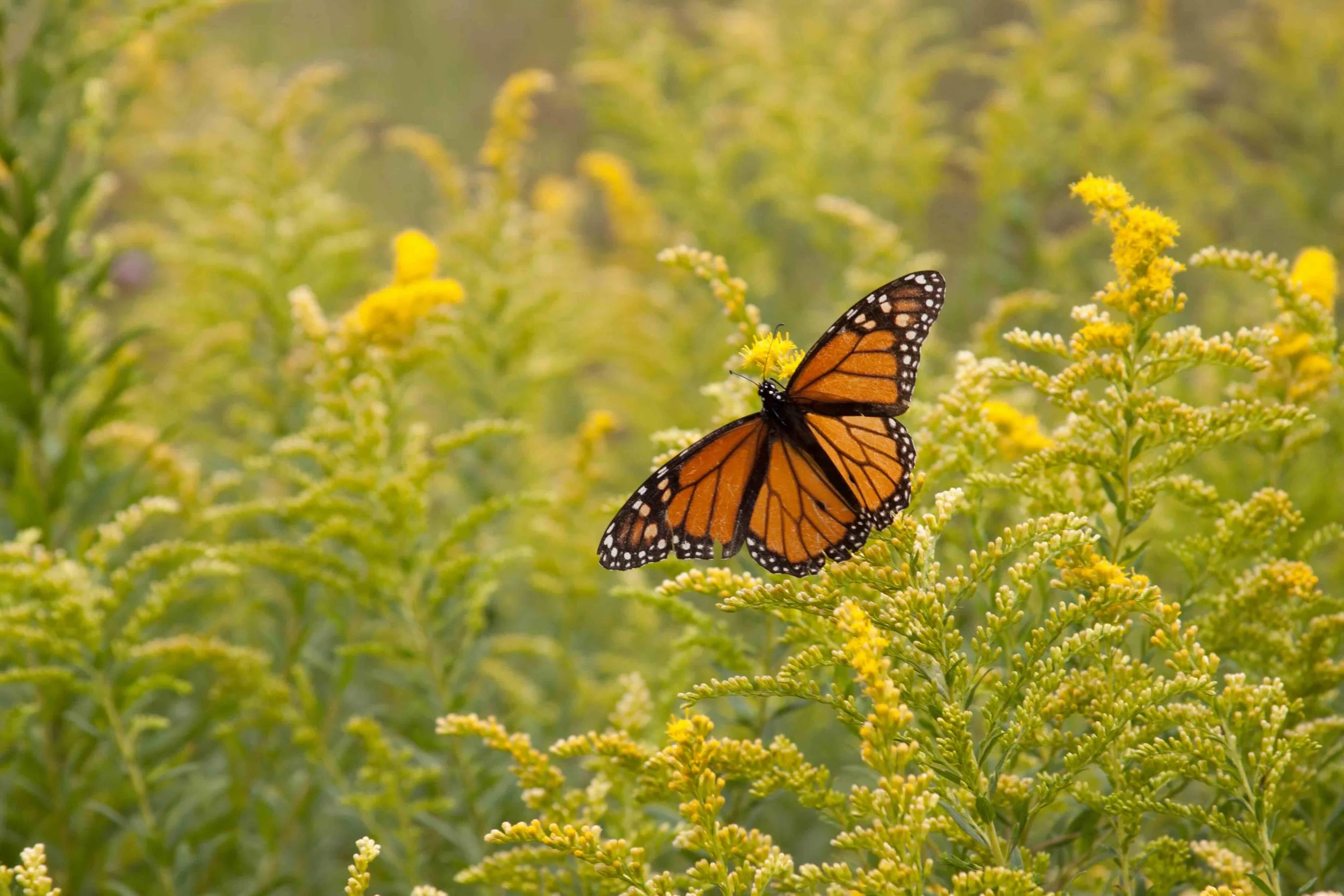
Save Coastal Wildlife Nonprofit
We are dedicated to restoration, research and educating people about the protection of coastal wildlife along the Jersey Shore!
#savecoastalwildlife
This nonprofit runs on science and education. Government funding for both science and education are decreasing in the United States. We urgently need your help to keep going forward.
Sign Up To Receive Emails
Sign up with your email address to receive the latest coastal wildlife news and updates about volunteer and community science activities with Save Coastal Wildlife Nonprofit.
Volunteer and find yourself along the coast helping wildlife!
NEWS AND UPCOMING EVENTS
-
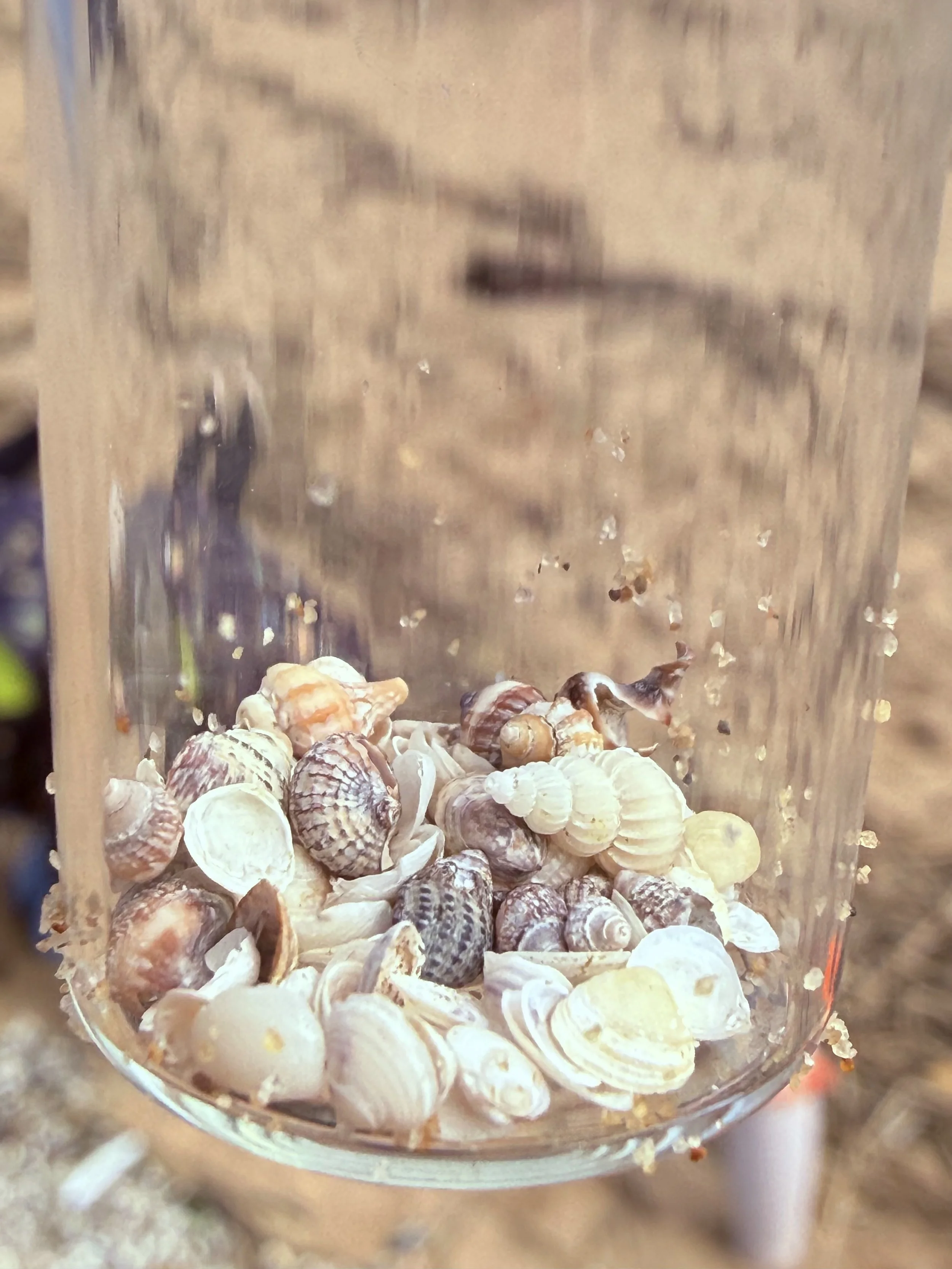
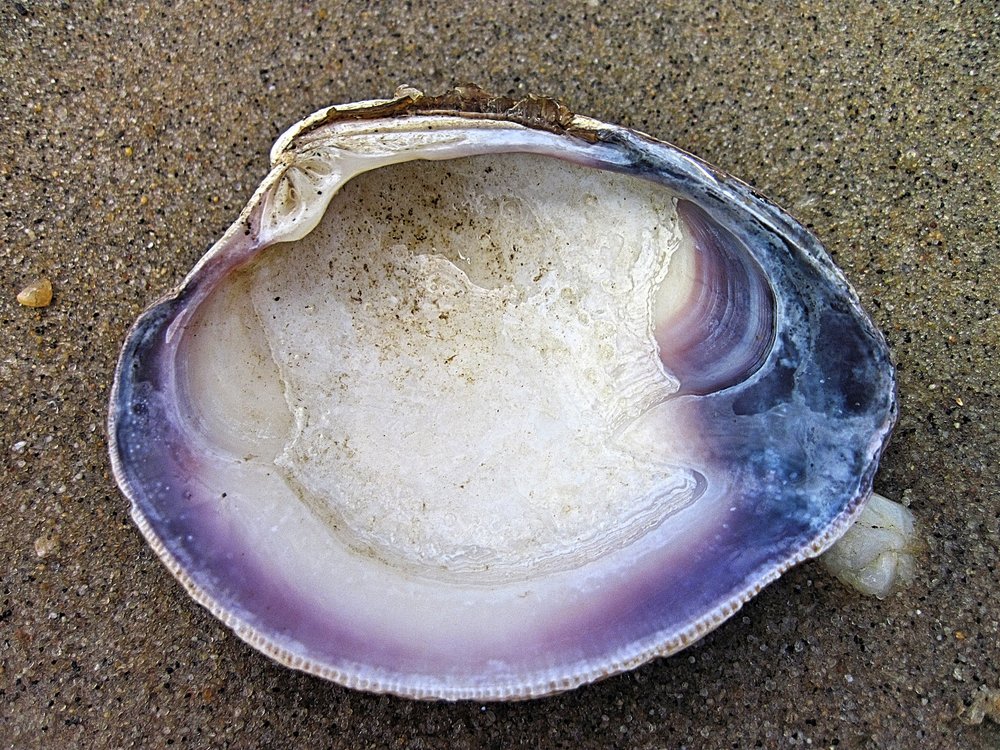
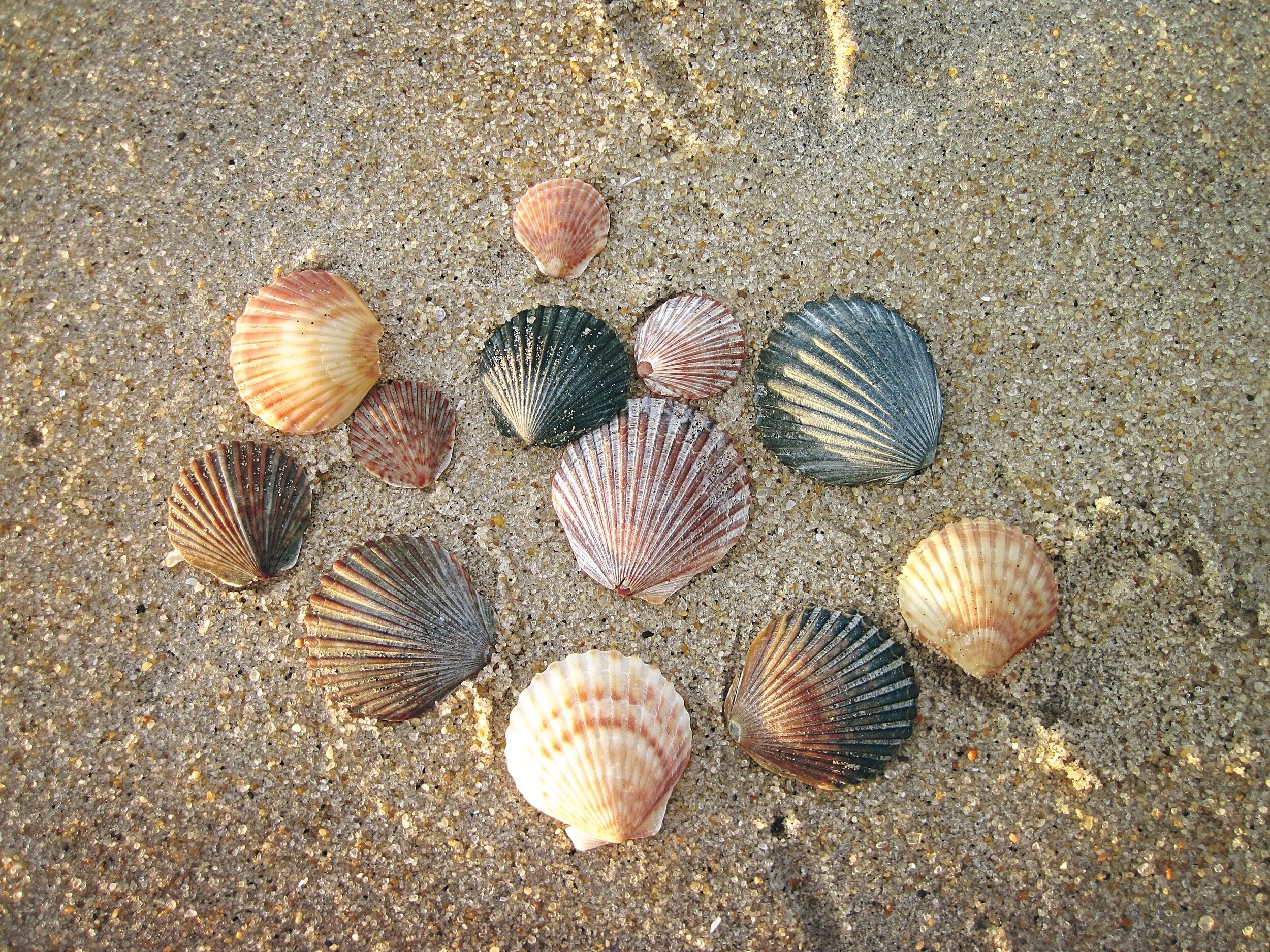
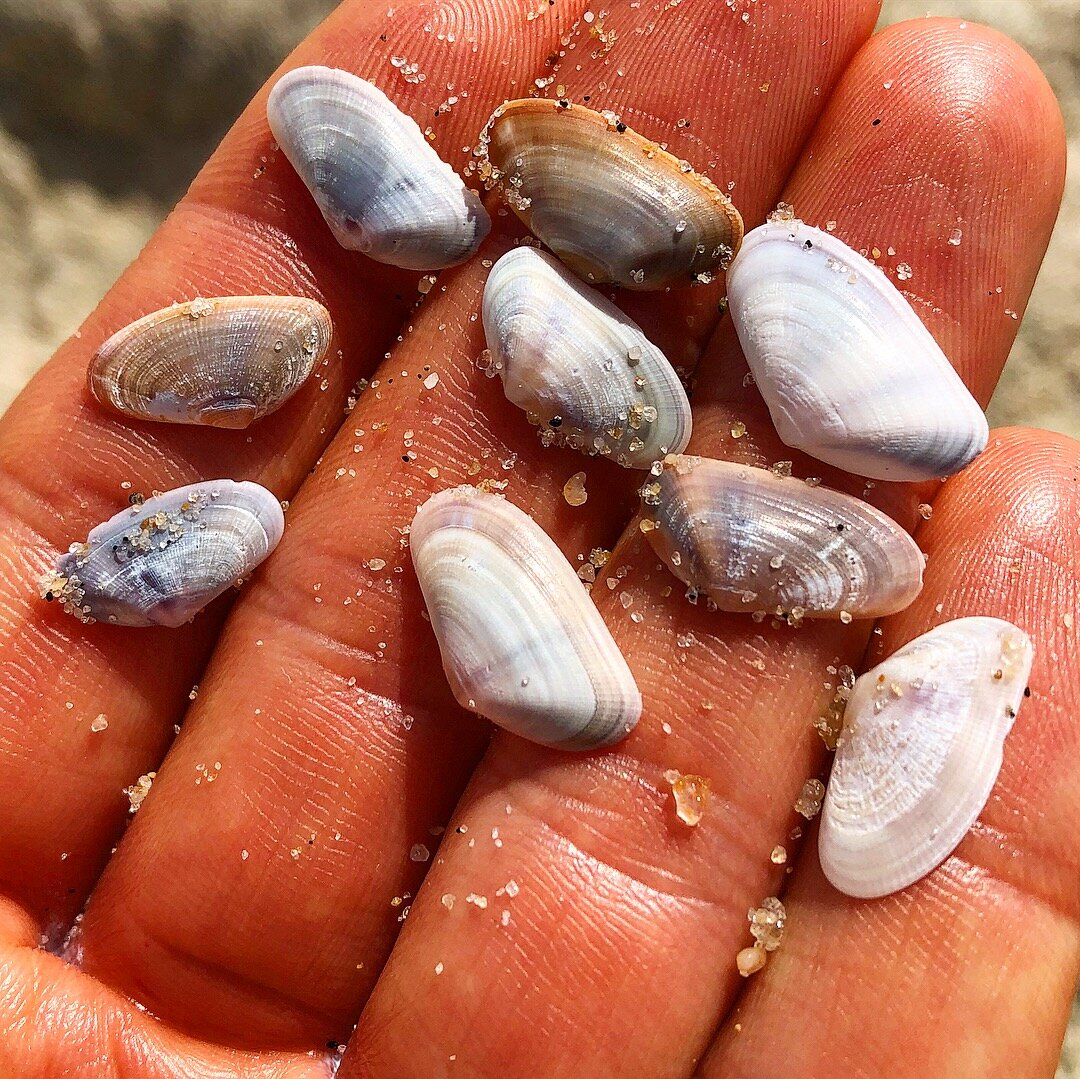
Volunteers Needed for Micro-Mollusk Community Science Event
Help us study the health of the beach by looking for small mollusks.
Sunday, October 18
4pm - 5pm
Cedar Street Beach Entrance
Keyport, NJ
-
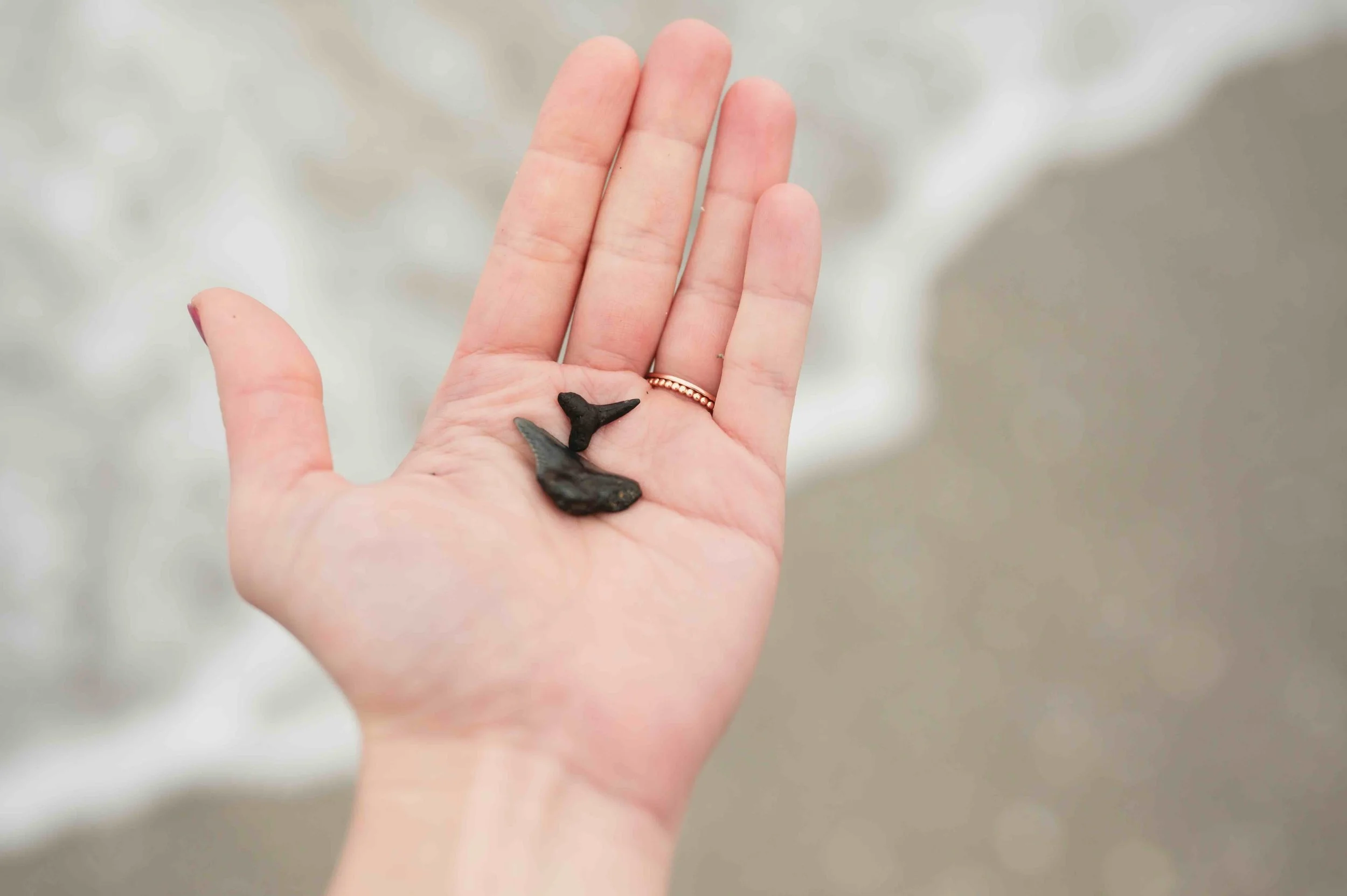
Public Fossil Hunt
Saturday, October 24
11:00am to 12:00pm (approximately)
Ramanessin Brook
67 McCampbell Rd, Holmdel, NJ 07733
Join us as we look for ancient marine life that existed over 65 million years ago, including sharks teeth and squid backbones.
We will be joined by a local fossil expert to help us look for fossils and identify what we find.
Please bring boots, hip boots or something to get your feet and legs wet.
We will supply the trays and trowels.
Tickets are $12.51 per person.
Free for Save Coastal Wildlife membersThis is event is open to only a few, so register early.
-
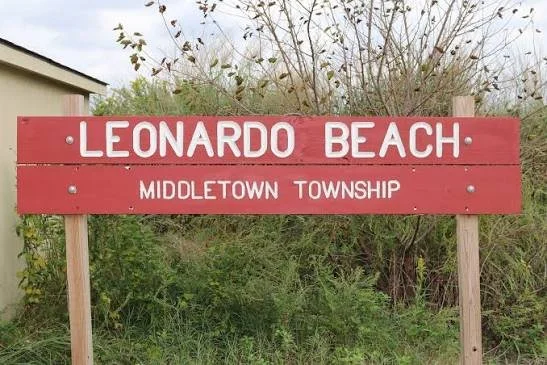
Thanksgiving Beach Cleanup
Volunteers Needed.
THANKSGIVING BEACH CLEANUP ALONG SANDY HOOK BAY
Sunday, November 22
10:00am to 12:00pm
Parking along Beach Avenue or on side streets. Please obey all parking rules and traffic laws
GPS Address: Beach Avenue, Leonardo, NJ 07737
Please bring gloves. Wear clothes that can get dirty. Please wear boots or old shoes that can get muddy. We need lots of people to help remove lots of trash!
-
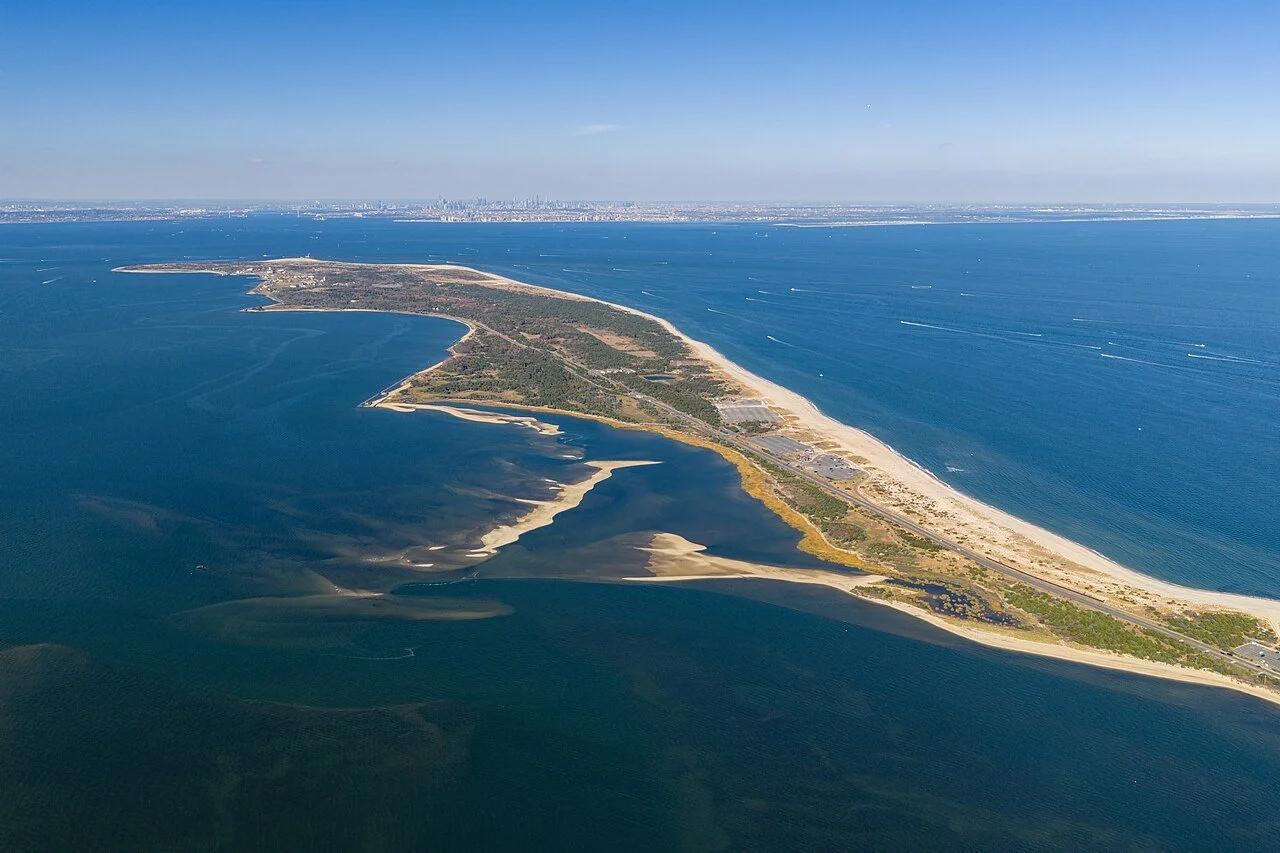
Holiday Beach Cleanup at Sandy Hook
Volunteers Needed to help remove trash and lots of debris near Spermaceti Cove, Parking Area D, at Sandy Hook, NJ
Saturday, December 19
10am to 12pm
Get into the true meaning of the Holidays!
Join members of Save Coastal WIldlife Nonprofit as we cleanup and restore the bayside beach and ocesan beach near Parking Lot D at Sandy Hook, Gateway National Recreation Area, including near Spermacetoi Cove Boardwalk.
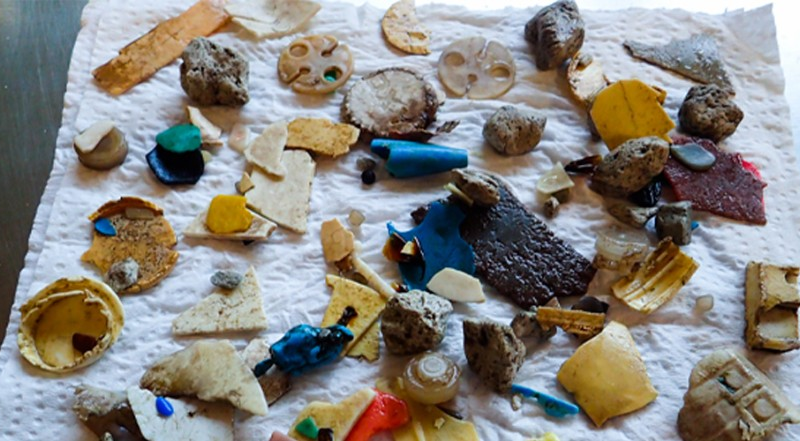
Volunteers are Needed!!! The more volunteers that register, the more tiny plastic debris and other trash items can be removed to help save coastal wildlife along the northern Jersey Shore
-
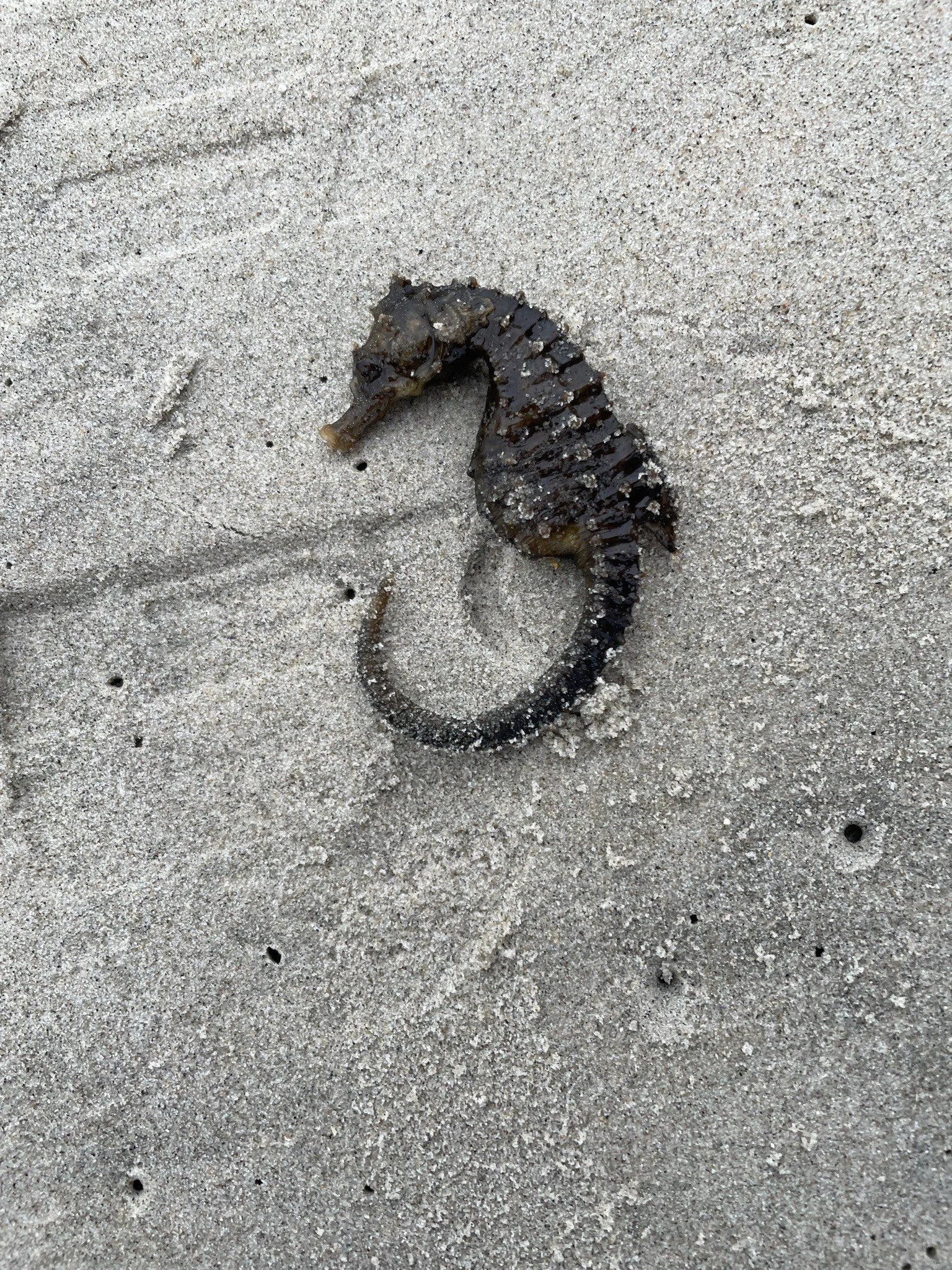
Report A Seahorse Sighting
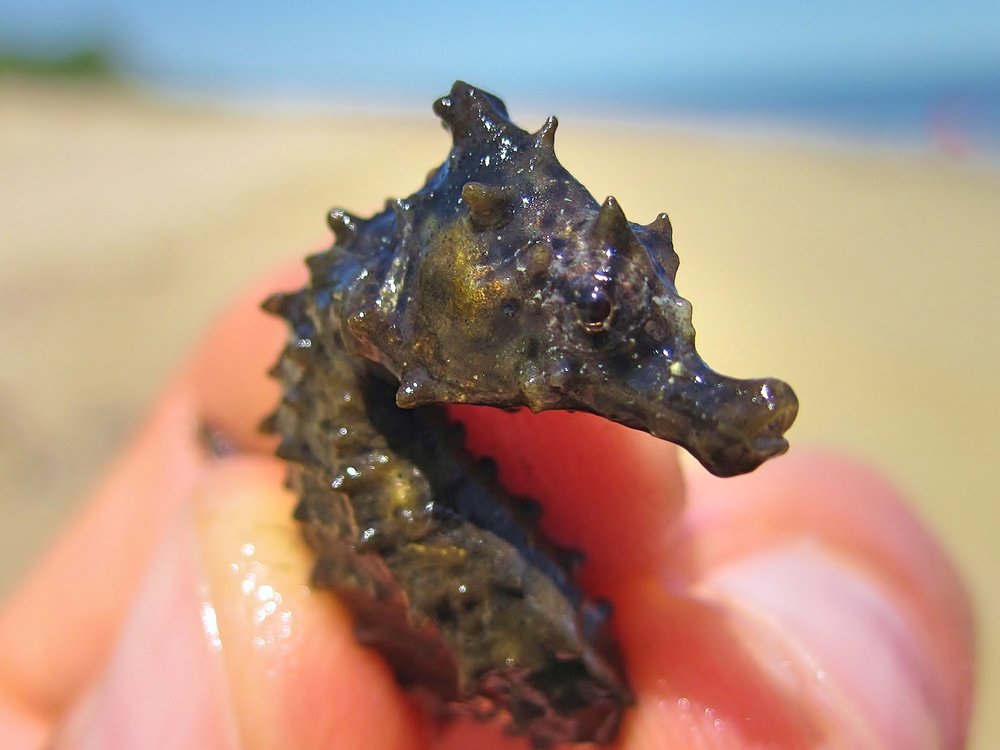
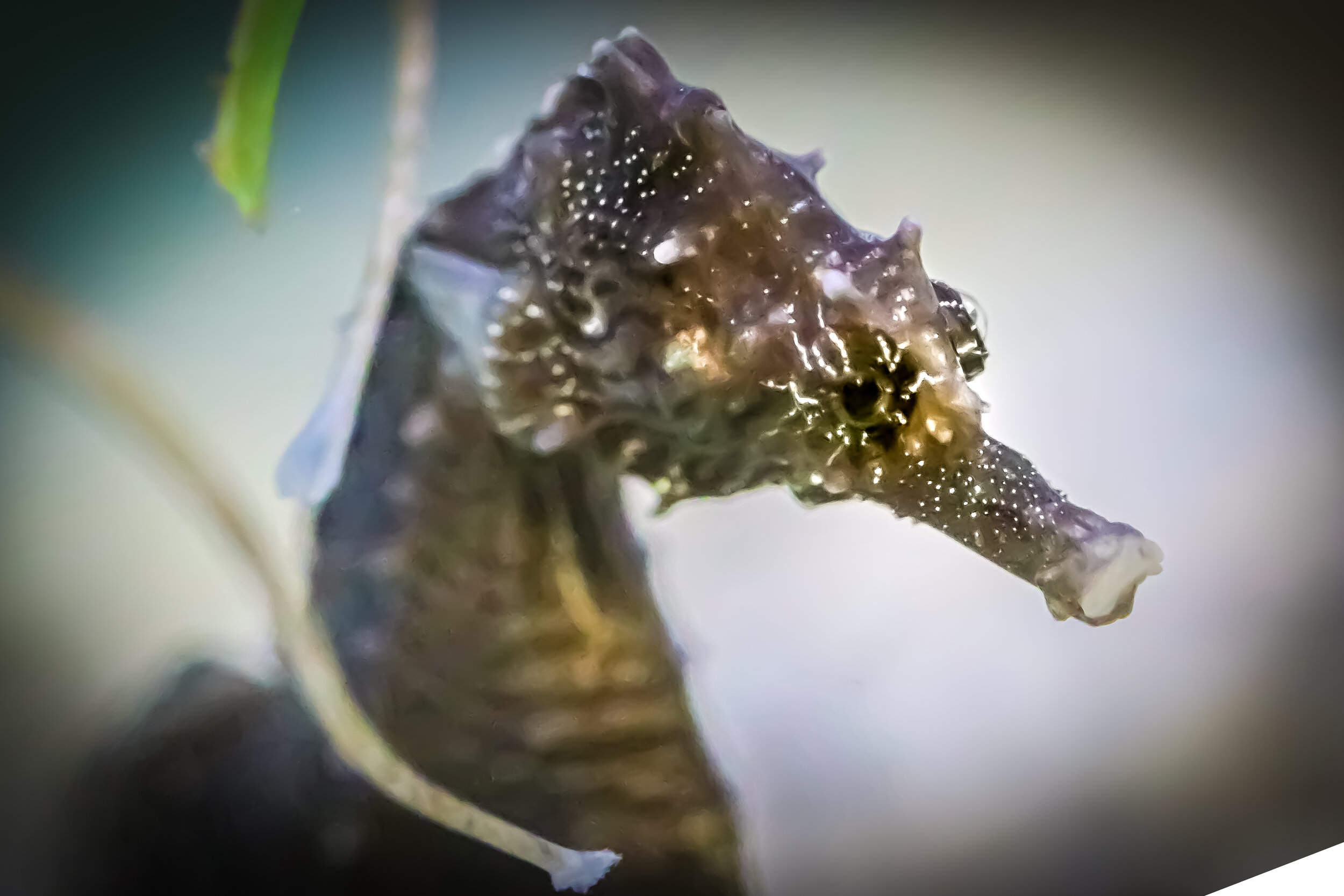
Due to many threats, the population of seahorses is uncertain at best. If you come upon a seahorse (live or dead), please record your sighting to Save Coastal Wildlife so we may keep track of the location, and abundance of seahorses.
-
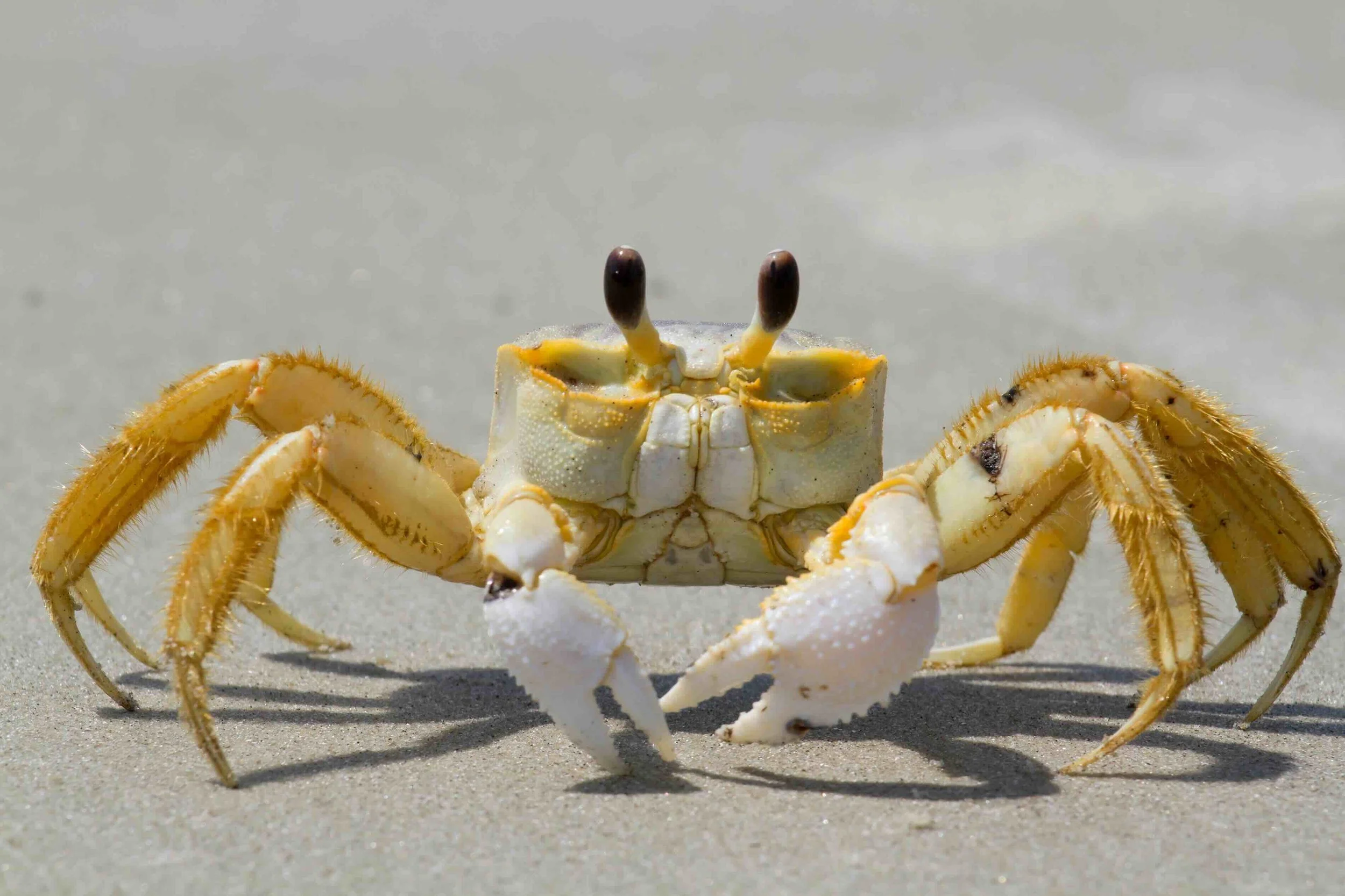
NEW BLOG POST: GHOST CRABS
Discover Atlantic ghost crabs along the Jersey Shore. Jenna Reynolds, Exc. Director of Save Coastal Wildlife, explores the life and ecology of this mysterious speedy and crab.
Atlantic ghost crabs are named for both the ability to blend in with their seashore surroundings and for their mostly nocturnal behaviors. Their pale color helps them blend in with the sand, making them seem to "disappear" or move like ghosts.
-

STOP OCTOPUS FARMING!
Stop octopus farming before it begins and takes a hold along the Jersey Shore. Once it begins, it will be very difficult to stop!
URGE NJ LAWMAKERS TO BAN OCTOPUS FARMING!
-

Don't Fall for Misinformation
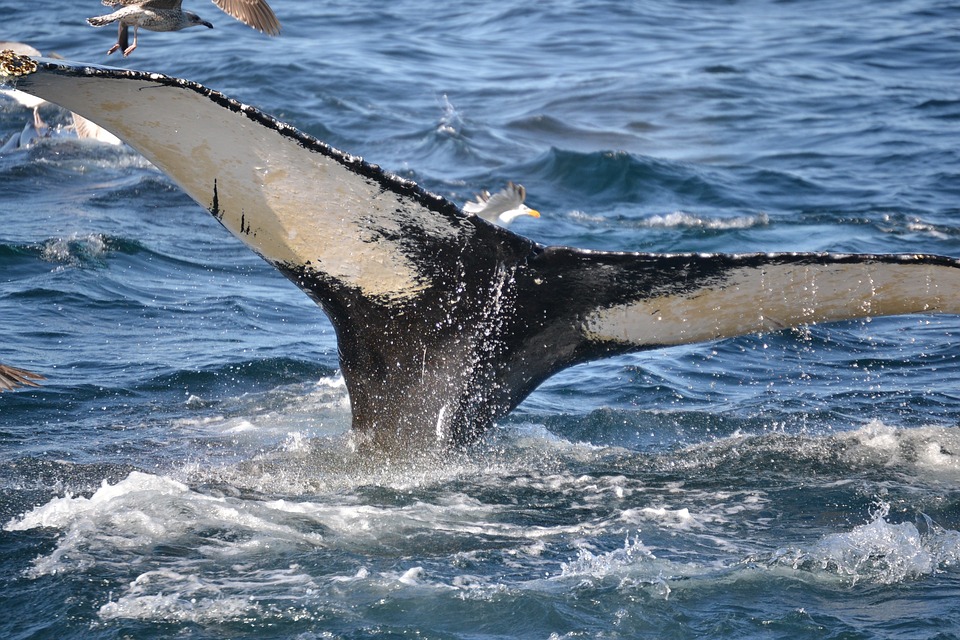
Don’t believe the hype the fossil fuel industry and their friends are putting out about renewable energy, especially offshore wind killing whales. Only people are killing whales from speeding ships, the ingestion of microplastics, or from commercial fishing.
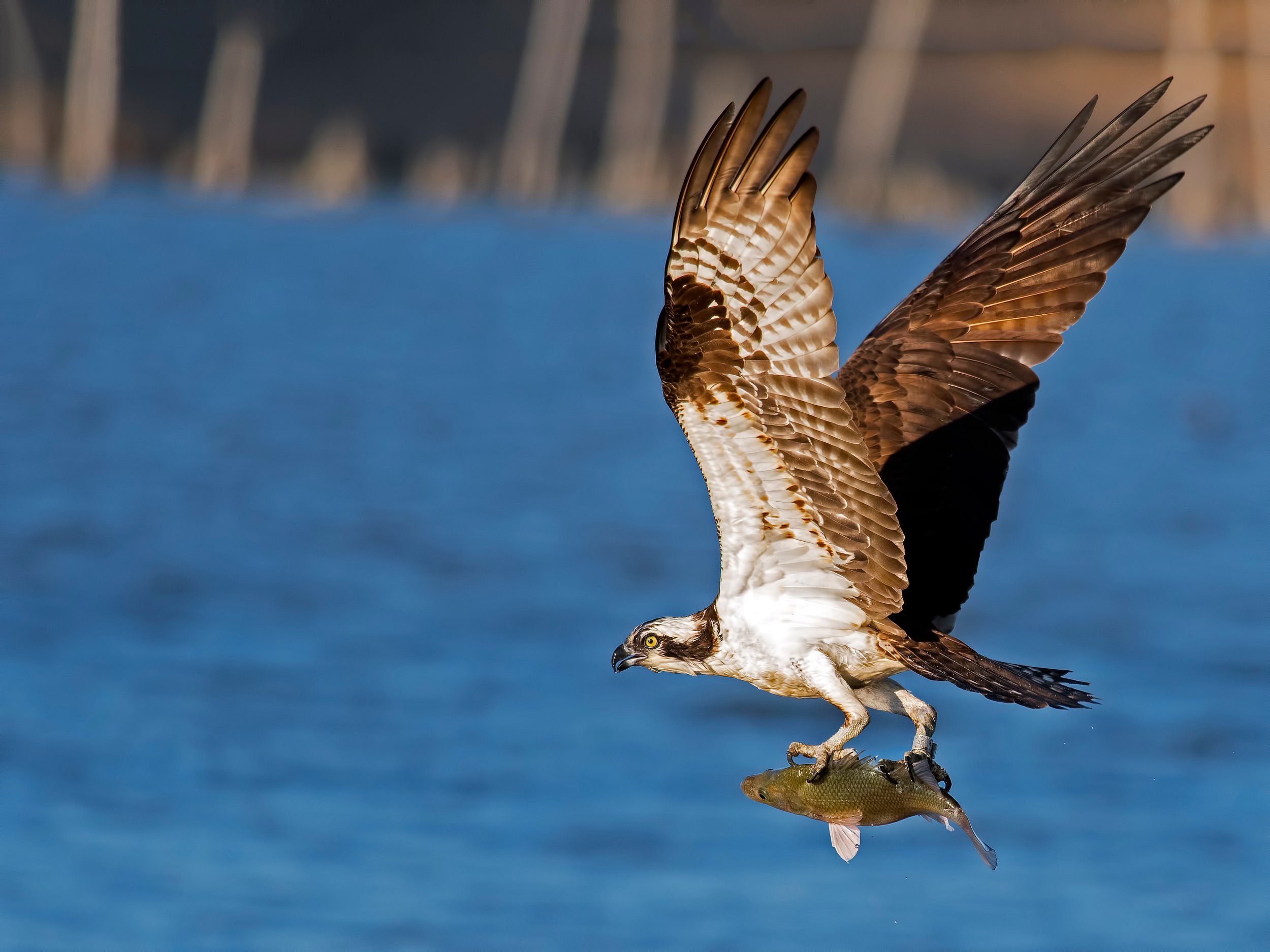
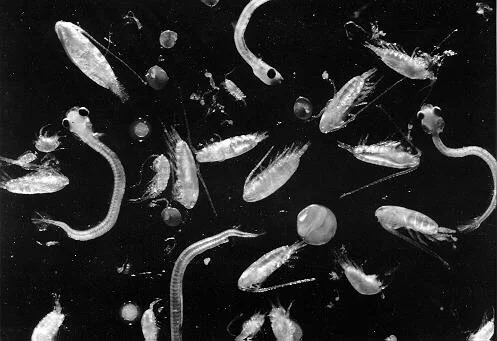
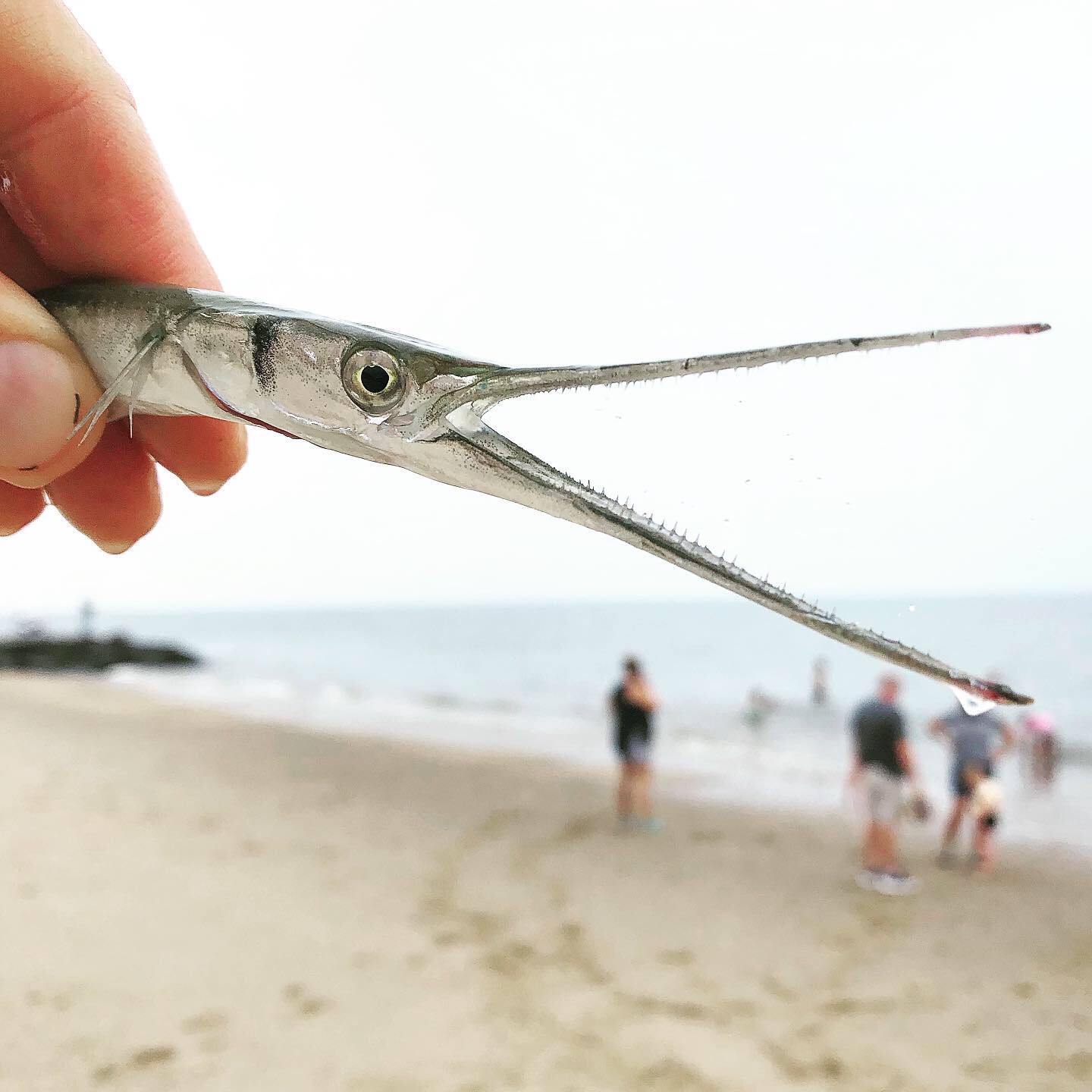
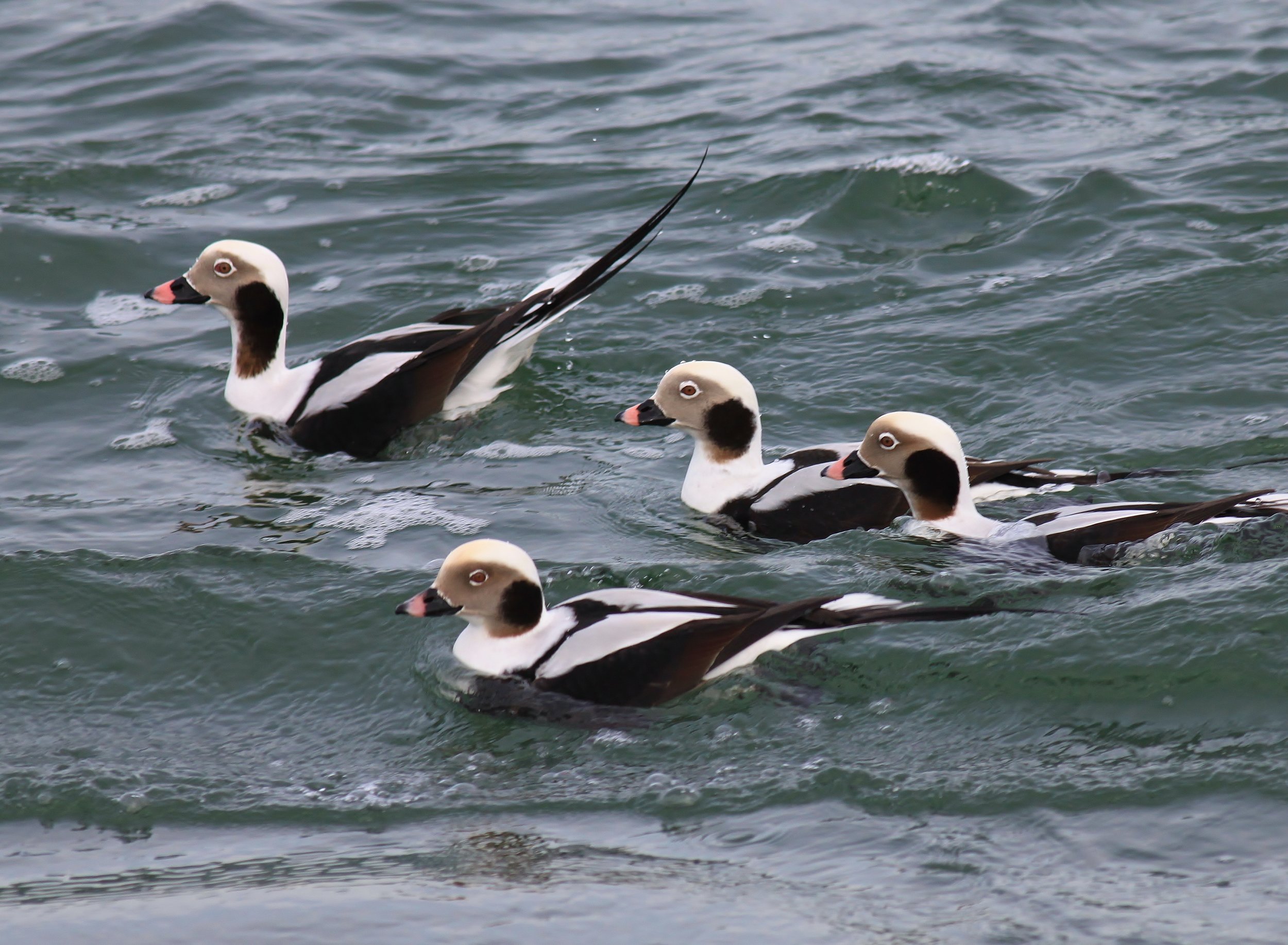
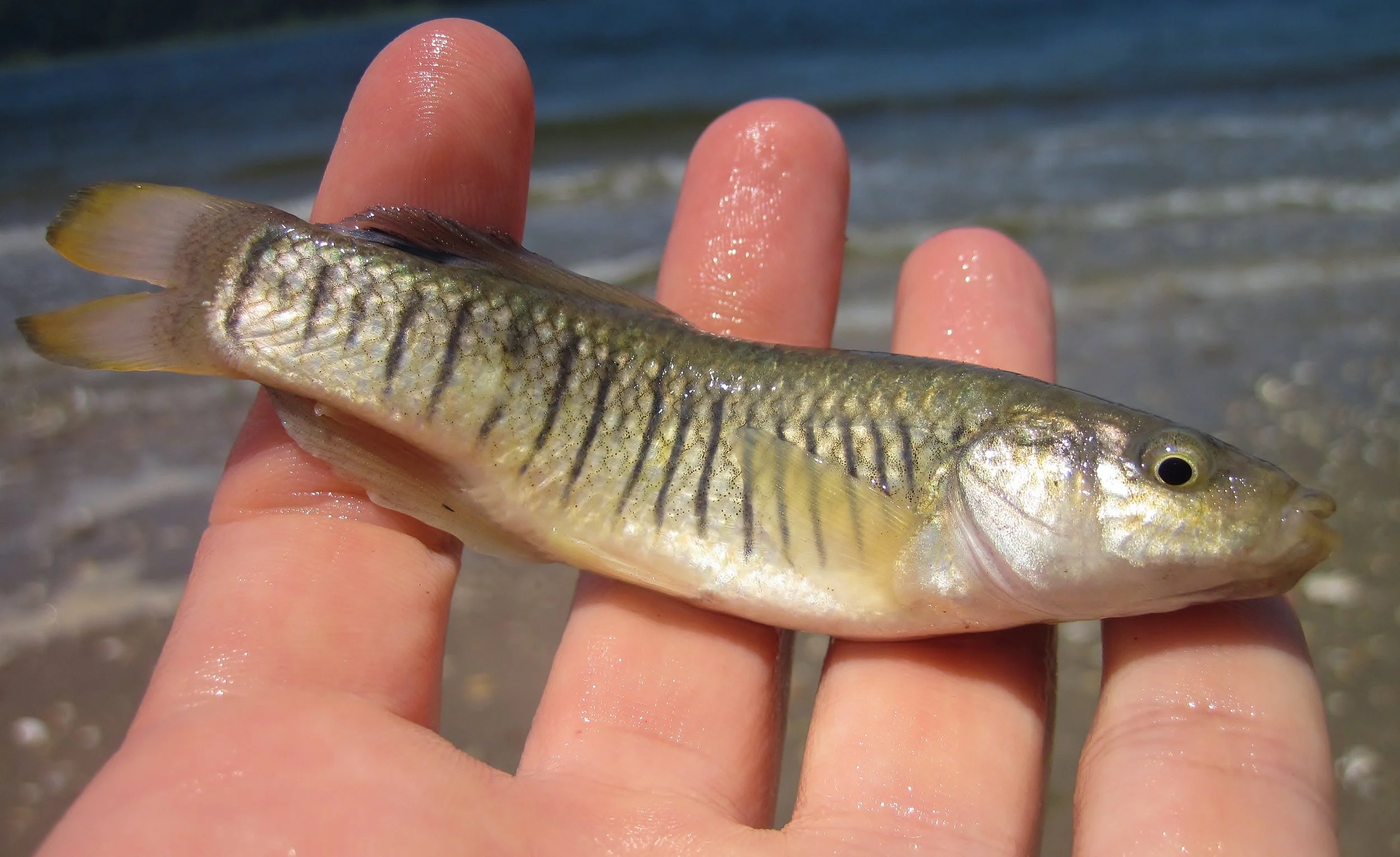
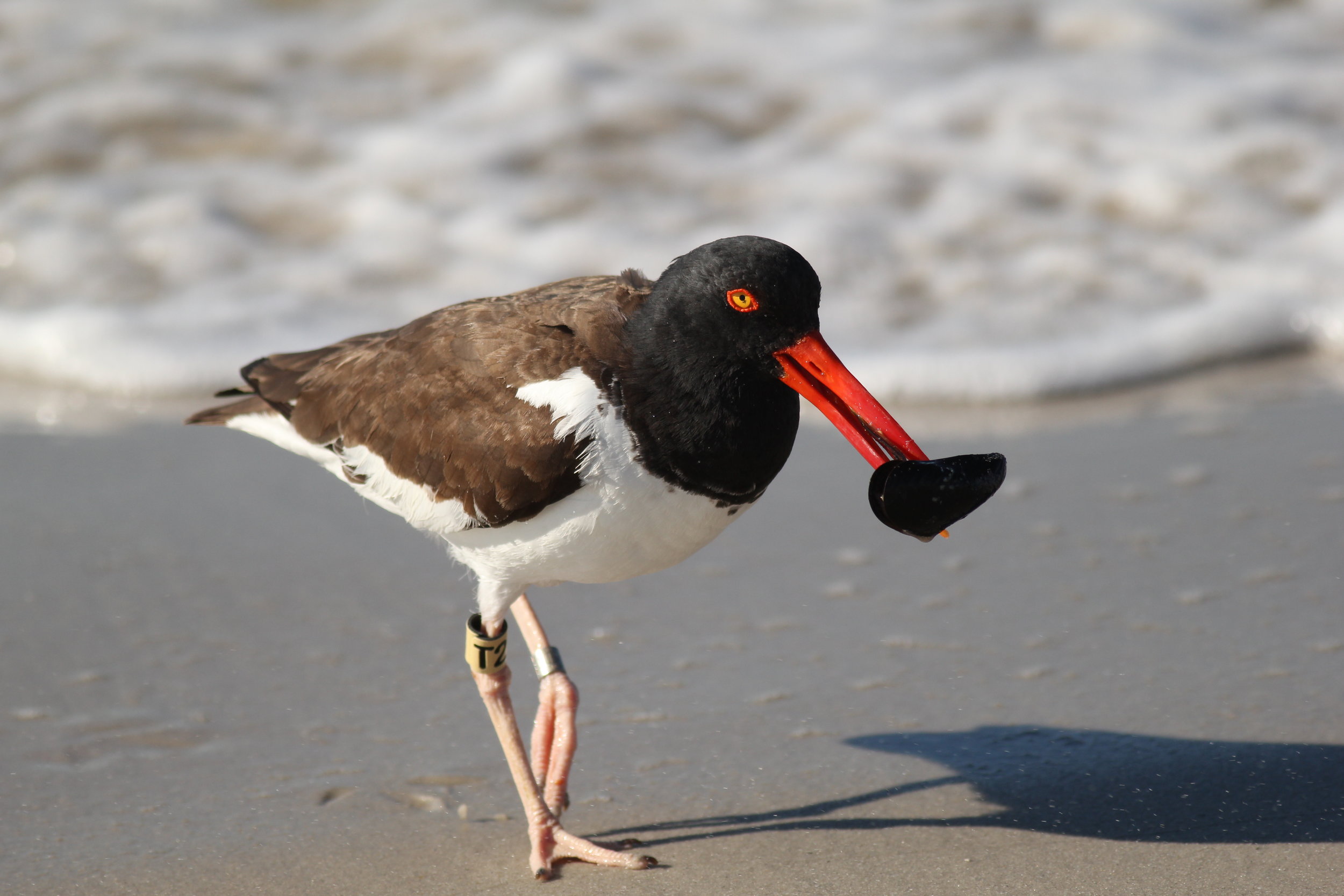
FEATURED COASTAL WILDLIFE






Support Save Coastal Wildlife
Your efforts will allow Save Coastal Wildlife to protect the unique coastal marine wildlife that live along the Jersey Shore by supporting our programs related to research, educational outreach and conservation.
Join our community and become a member today. Your membership not only grants access to exclusive benefits but also directly supports our mission.
Thank you for choosing to be part of our cause. Together, we can make a positive impact to save coastal wildlife along the Jersey Shore and beyond!
Ready to make a difference? Start your journey by becoming a member now!

Since 2018
Save Coastal Wildlife Nonprofit has been dedicated to educating people about coastal biodiversity and restoring habitat along the Jersey Shore - from Raritan Bay to Delaware Bay, New Jersey.
We inspire action for greater preservation and empathy for the beautiful biodiversity along the Jersey Shore and our blue planet!
Save Coastal Wildlife is made up of animal lovers, educators, scientists, surfers, naturalists, community leaders and many other people devoted to the protection of the Jersey Shore’s biodiversity.
Save Coastal Wildlife takes action through education, restoration & research!
Threats to Coastal Wildlife
Expanding development, increasing human populations and plastic pollution, and the strengthening effects of global warming and other human induced activities, including bycatch and ghost gear from commercial fishing, and the commercialization of our marine environment, are putting great pressure on many plants and animals, and the coastal-estuarine environment in New Jersey.
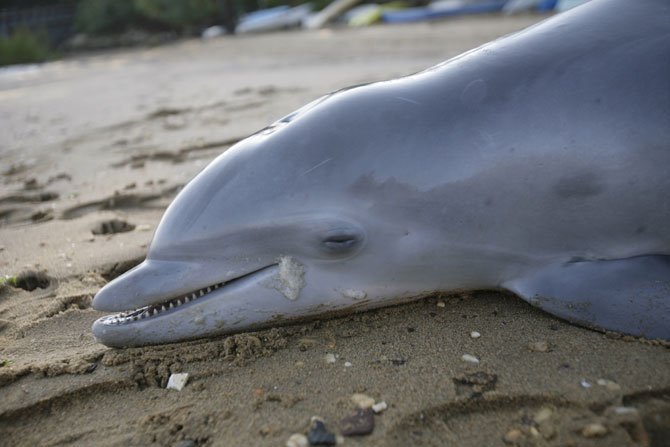
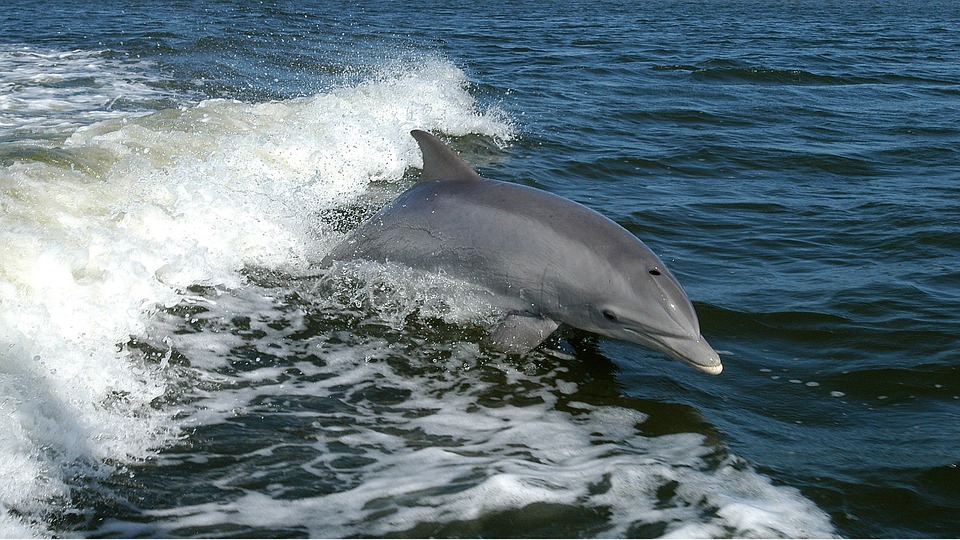
Sub-adult Bottlenose dolphin found dead along the Navesink River 2008.
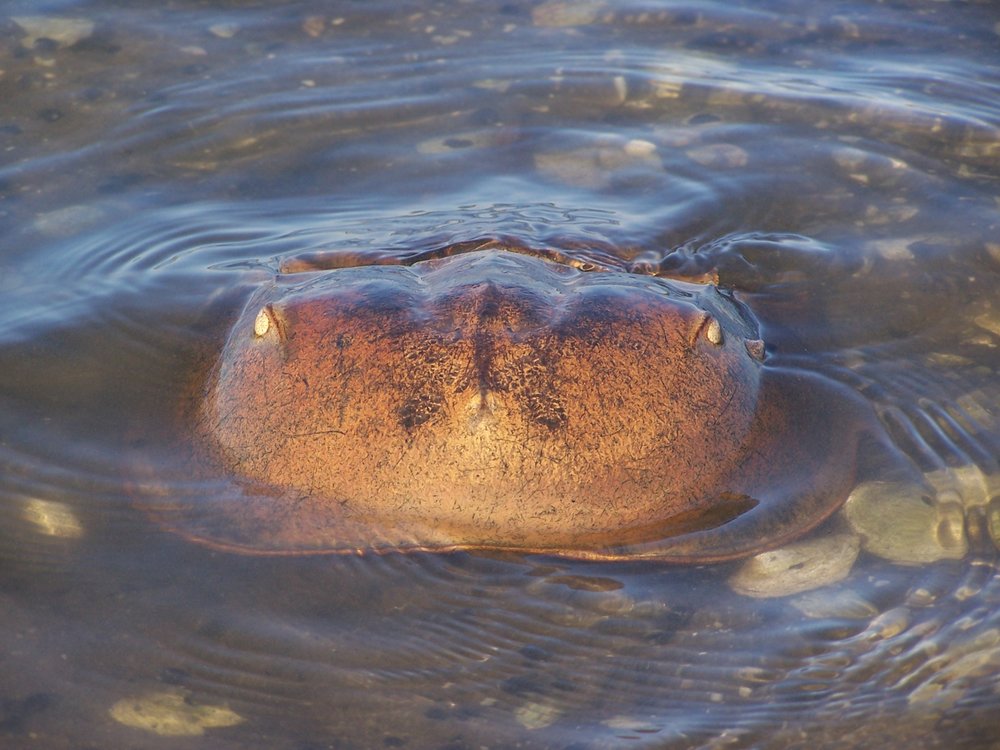
In 2019 The Atlantic Horseshoe Crab Population
in the New York City region, including Raritan Bay & Sandy Hook Bay in New Jersey, has trended downward from good, to neutral, and now poor as per the Atlantic States Marine Fisheries Commission.
Decreasing fish species along the Jersey Shore:
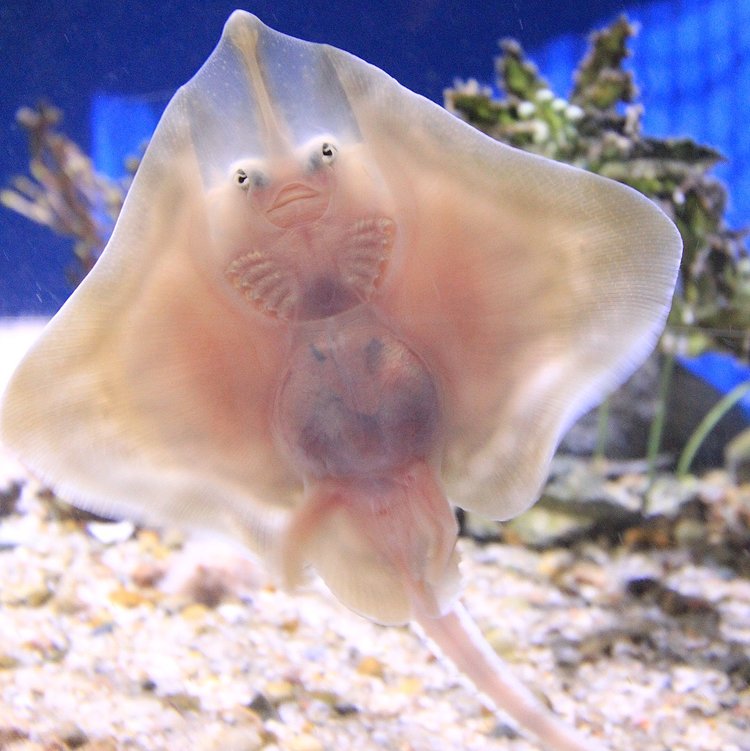
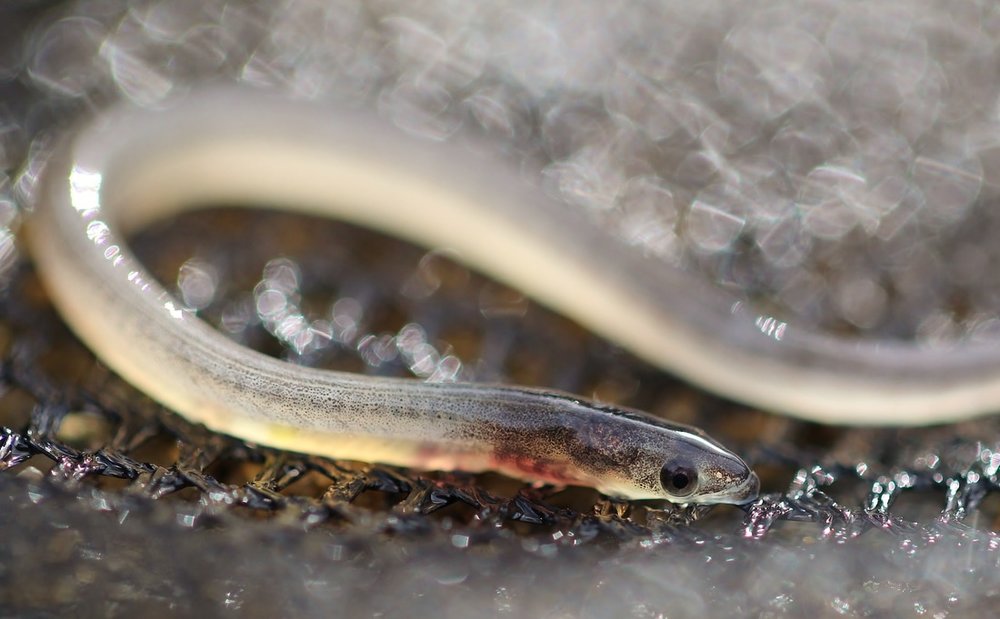
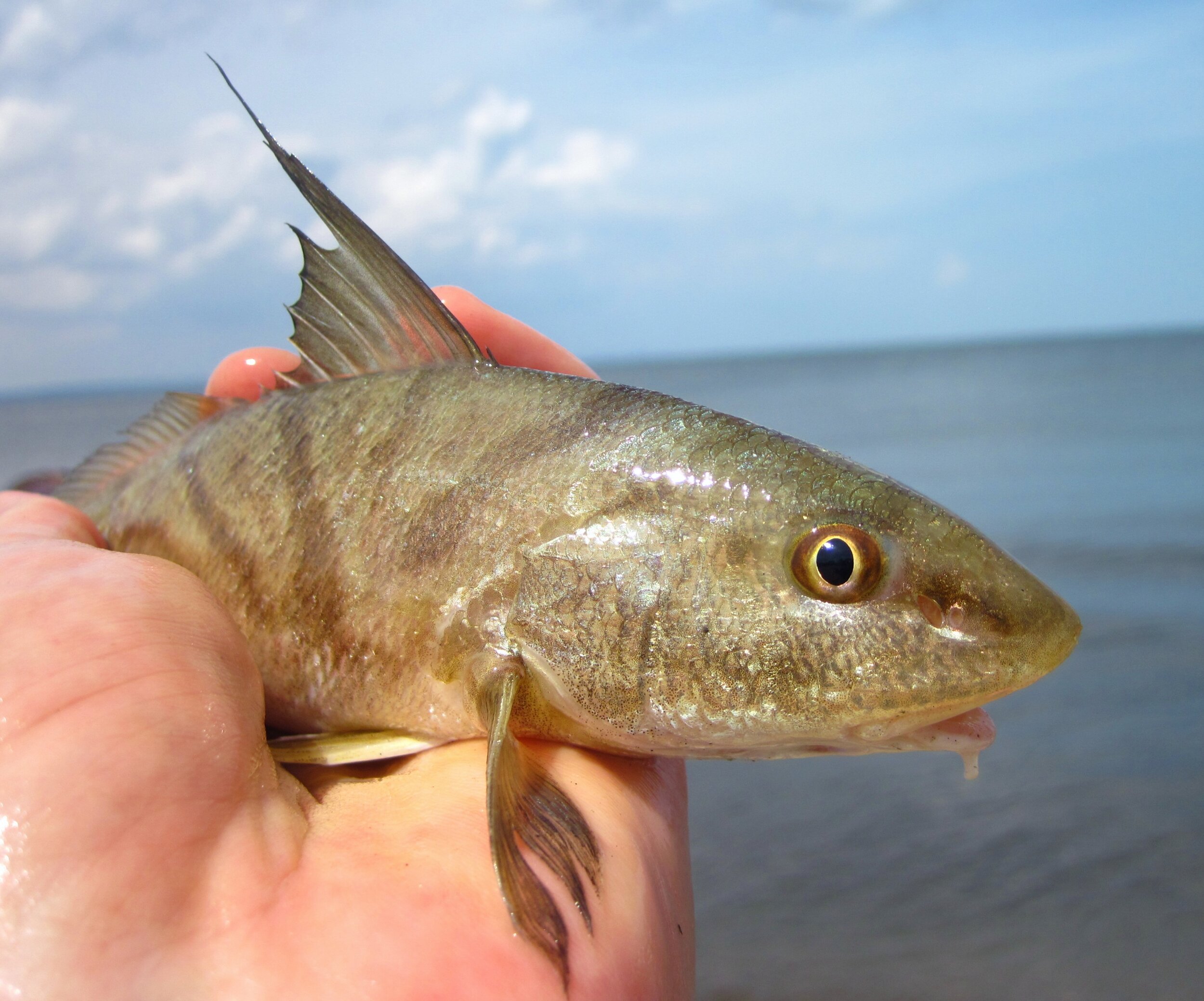
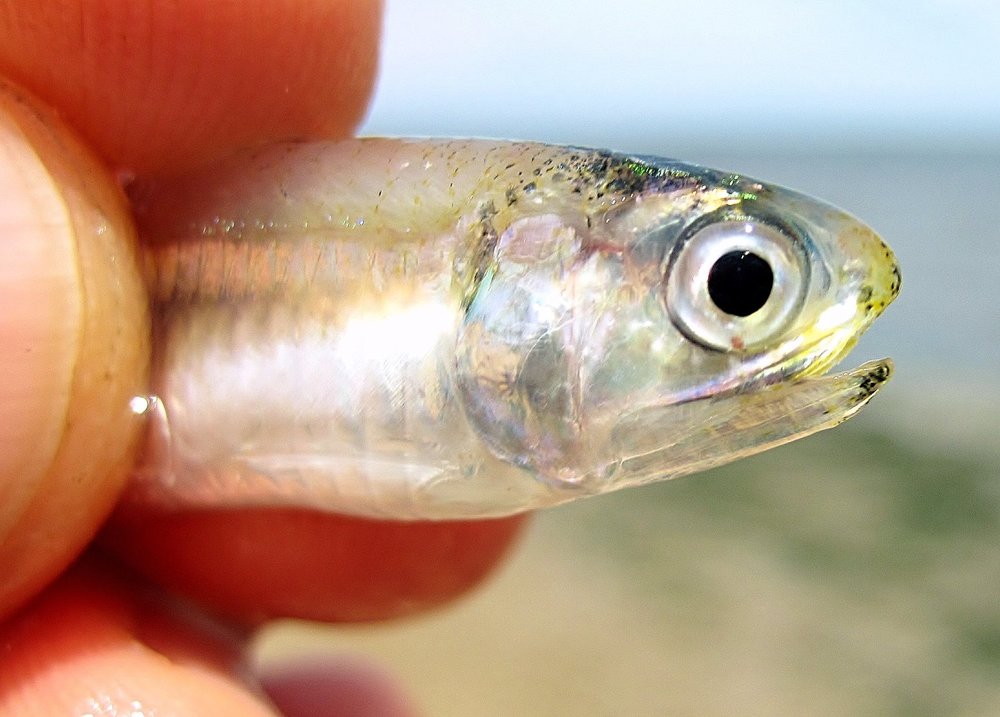
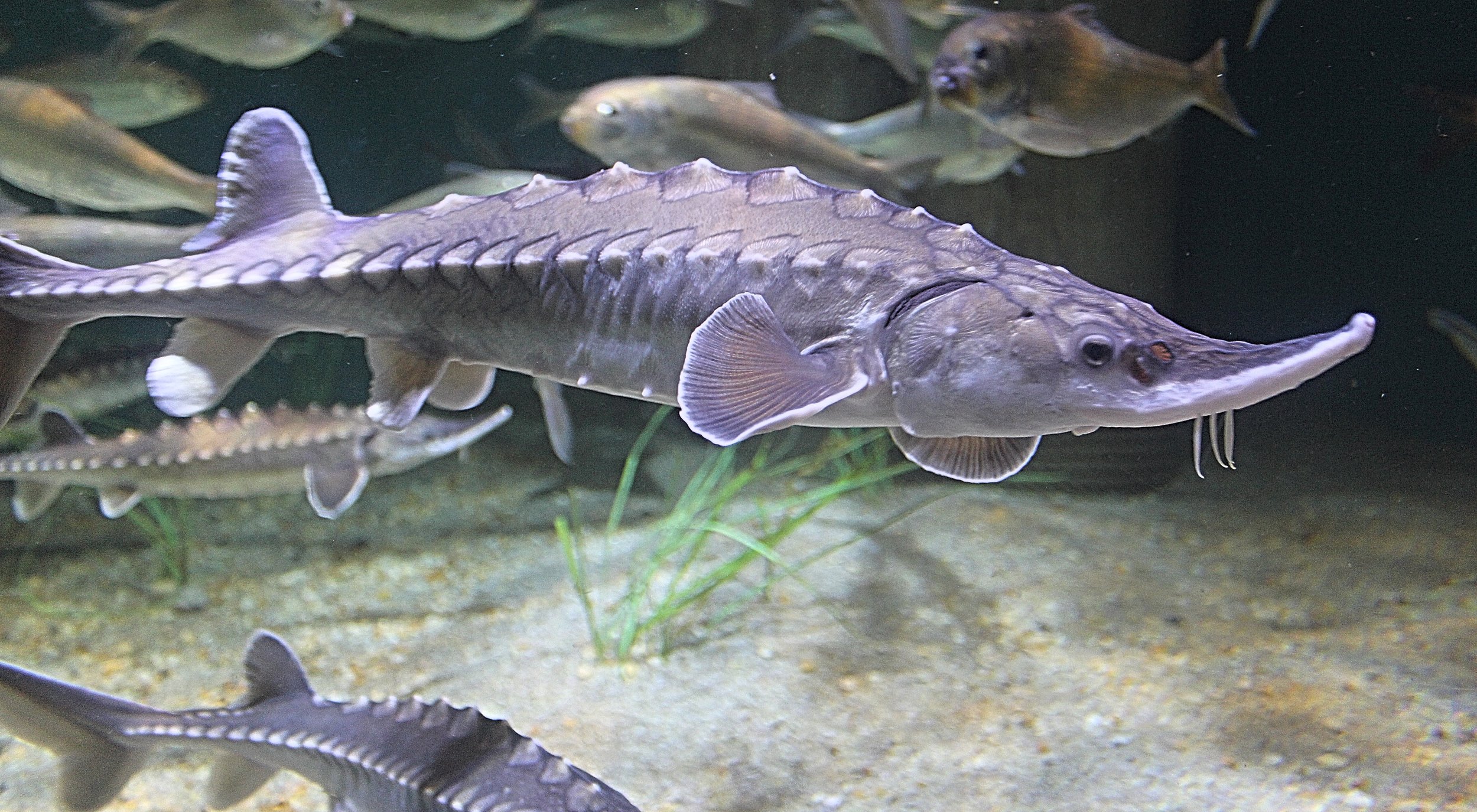
adult weakfish populations have been on the decline since 2003, and adult winter flounder populations have been steadily declining since the early 1980s, according to the Atlantic States Marine Fisheries Commission. In 2014, the International Union for the Conservation of Nature (IUCN) listed the American eel as “Endangered” on the Red List. The Atlantic sturgeon population along the Atlantic coast are endangered, including in the New York Bight and Chesapeake Bay. The Winter Skate population has seen a staggering 90% reduction in mature individuals since the 1970s due to bottom trawling, where it is often accidentally caught, and many species of sharks are in decline including the Great White shark, both the Scalloped Hammerhead and Great Hammerhead sharks, tiger sharks and sandbar sharks primarily due to unsustainable fishing practices, bycatch, and slow reproduction rates, leading many species of sharks to be classified as endangered or critically endangered on the IUCN Red List.
A mako shark (Isurus oxyrinchus) is seen hanging from a longline hook, emphasizing bycatch activities and the impact of indiscriminate fishing practices on marine species from commercial fishing.
Over 30 Species of wildlife
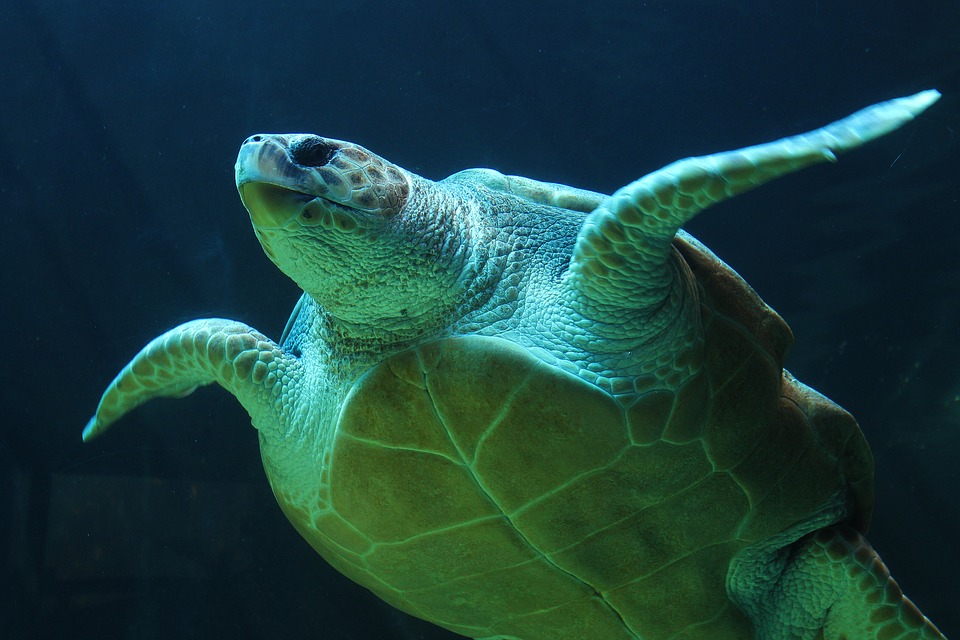
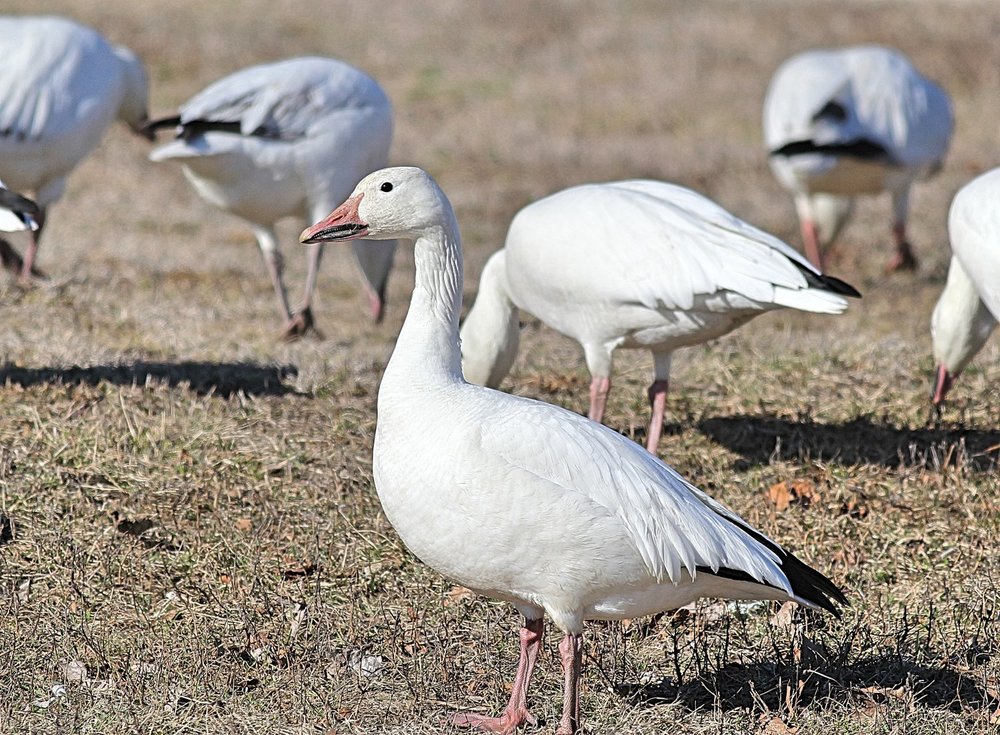
that breed, migrate or overwinter along the Jersey Shore are listed by the State of New Jersey as endangered, threatened, or a species of special concern including several species of whales, turtles, and coastal birds.
Over 600% along the New Jersey Shore
is the percentage of tidal flood events that have increased in the past 60 years due to sea level rise from melting land-based glaciers in mountainous and polar regions in the North Atlantic, especially Greenland, due to global warming.
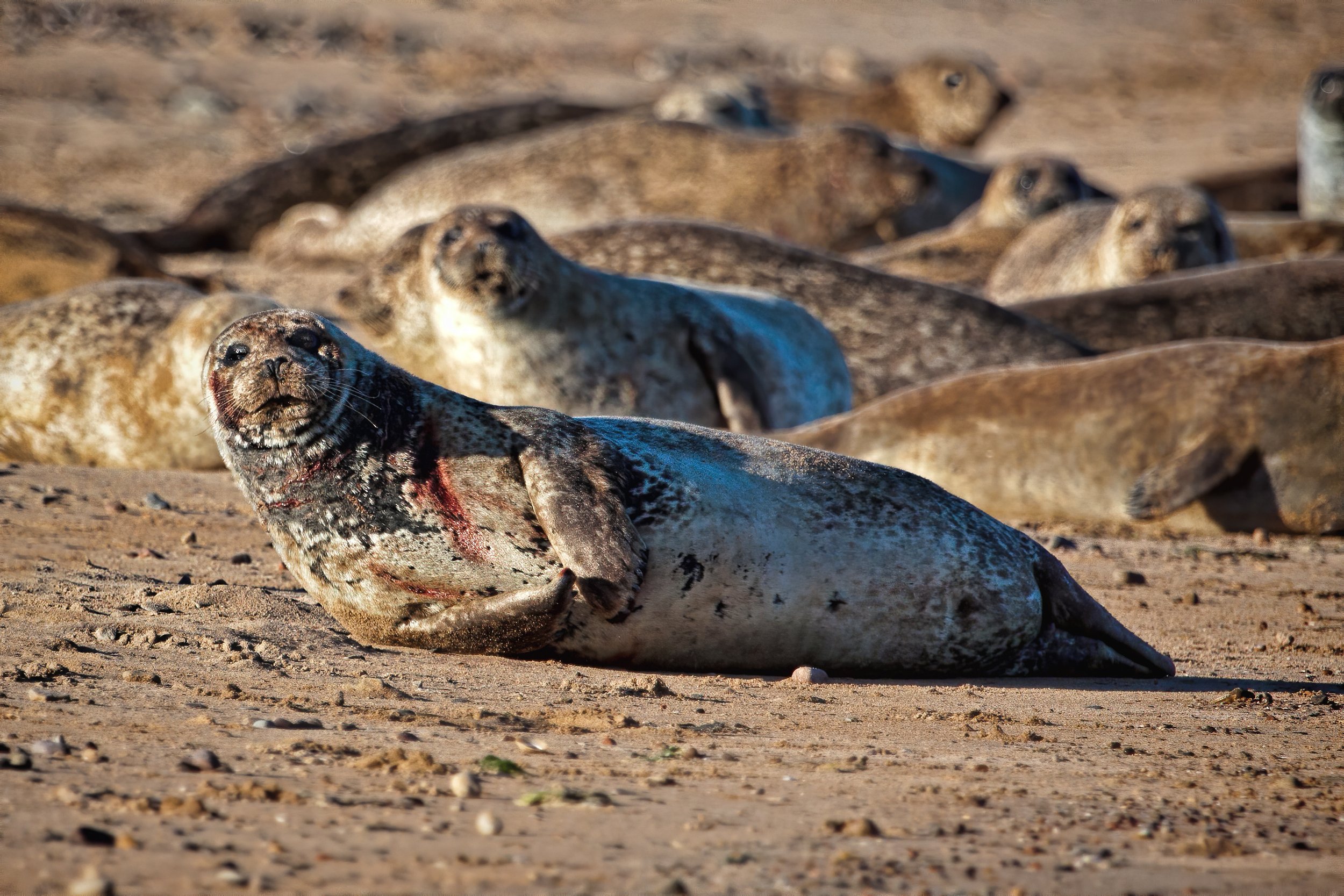
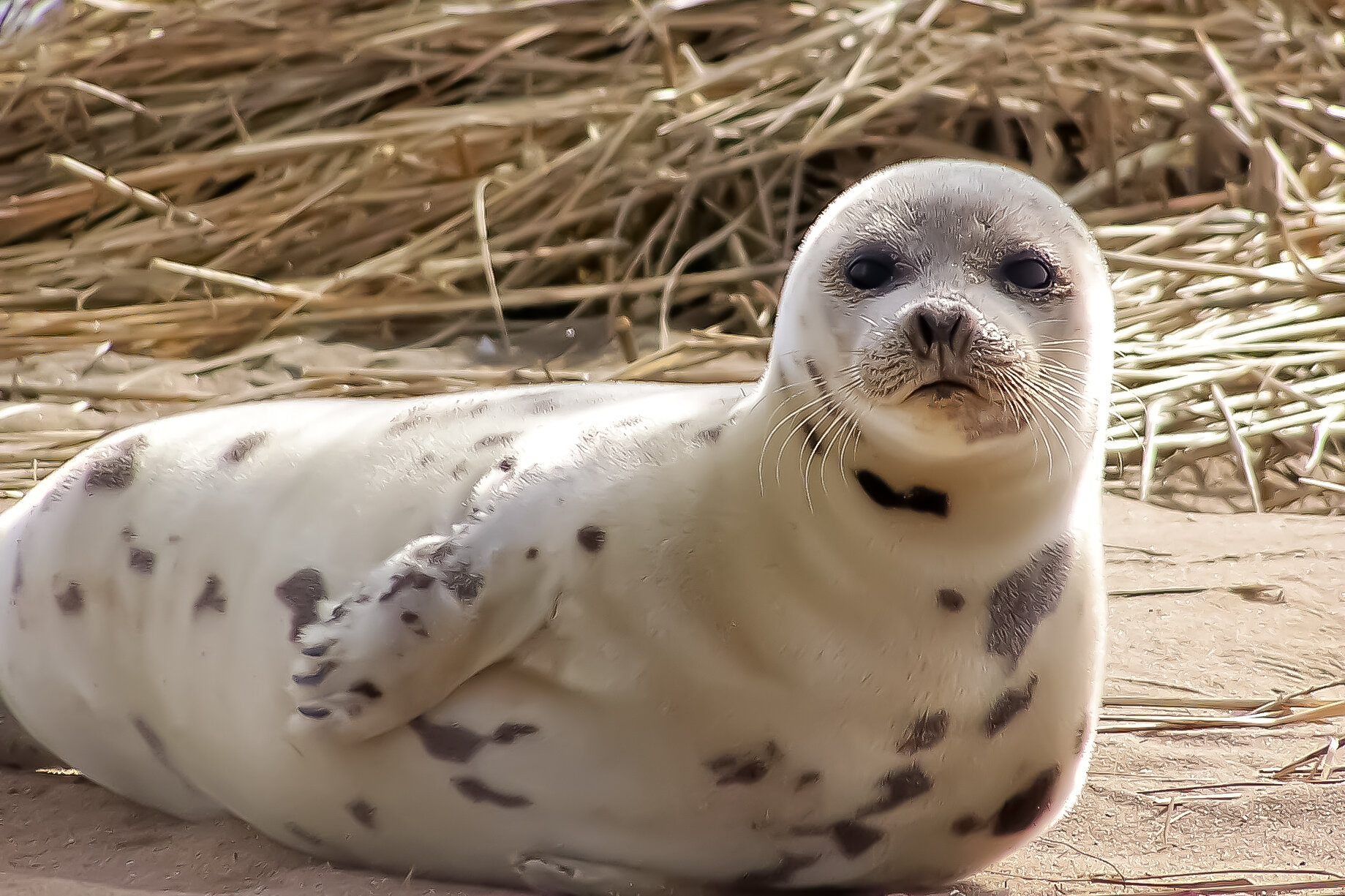
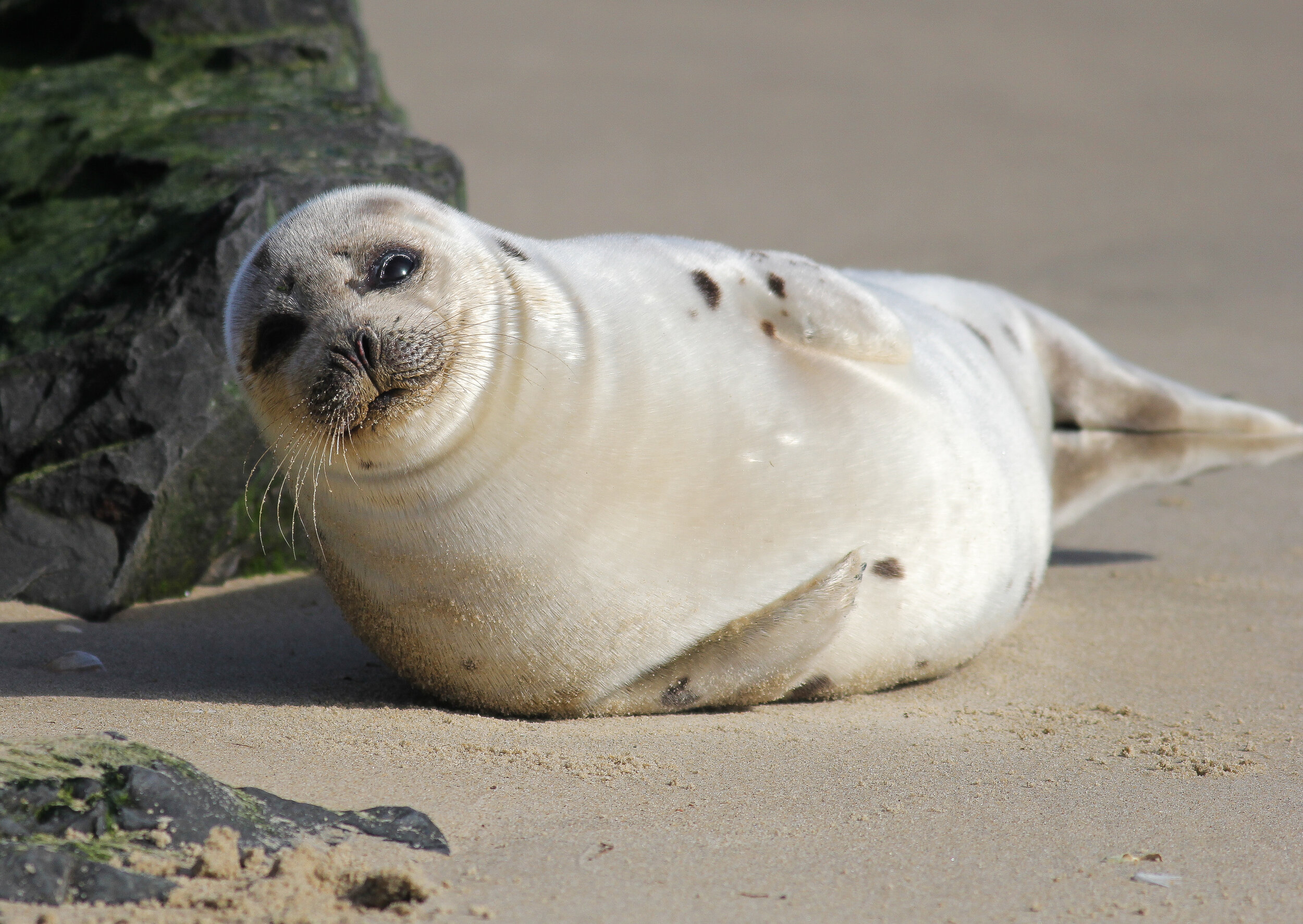
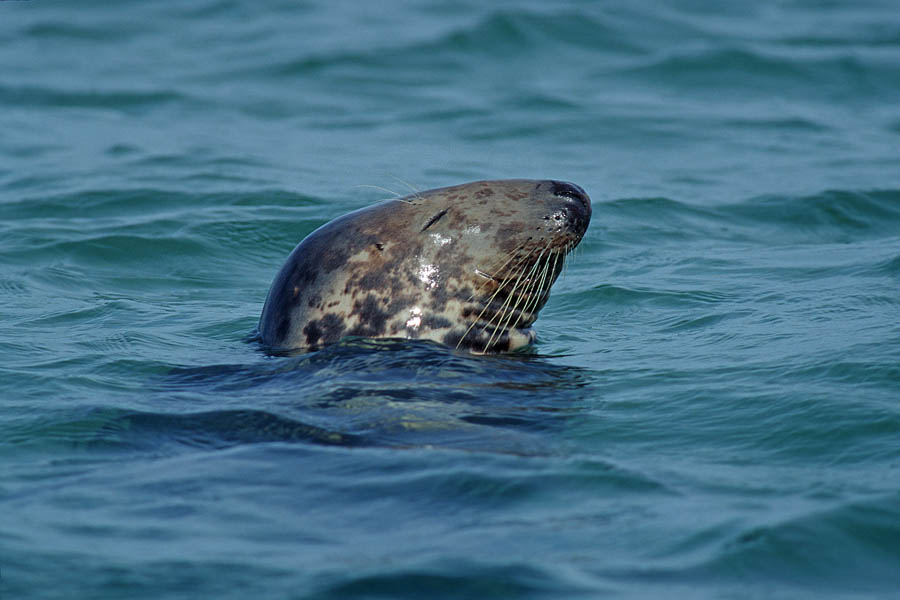
Injured female harbor seal with fresh wounds caused by a boat propeller.
Over 70% of Seabird & Shorebird
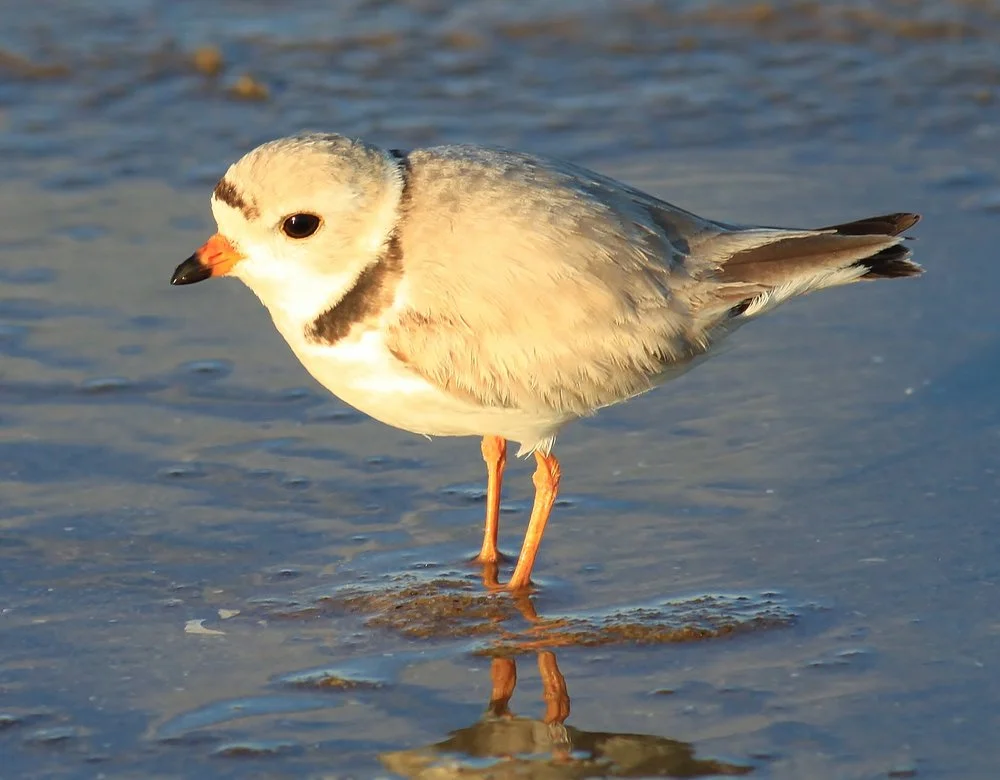
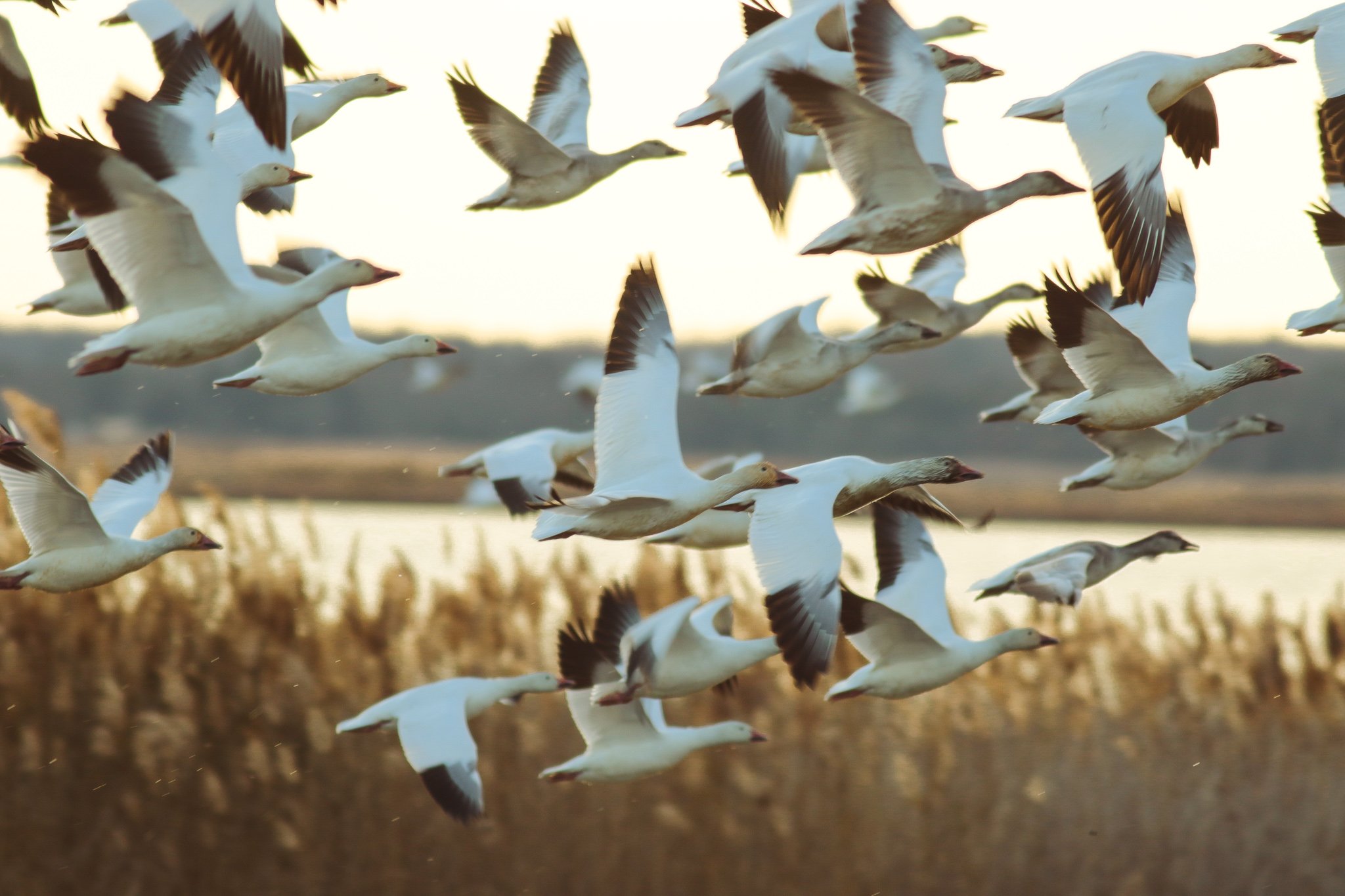
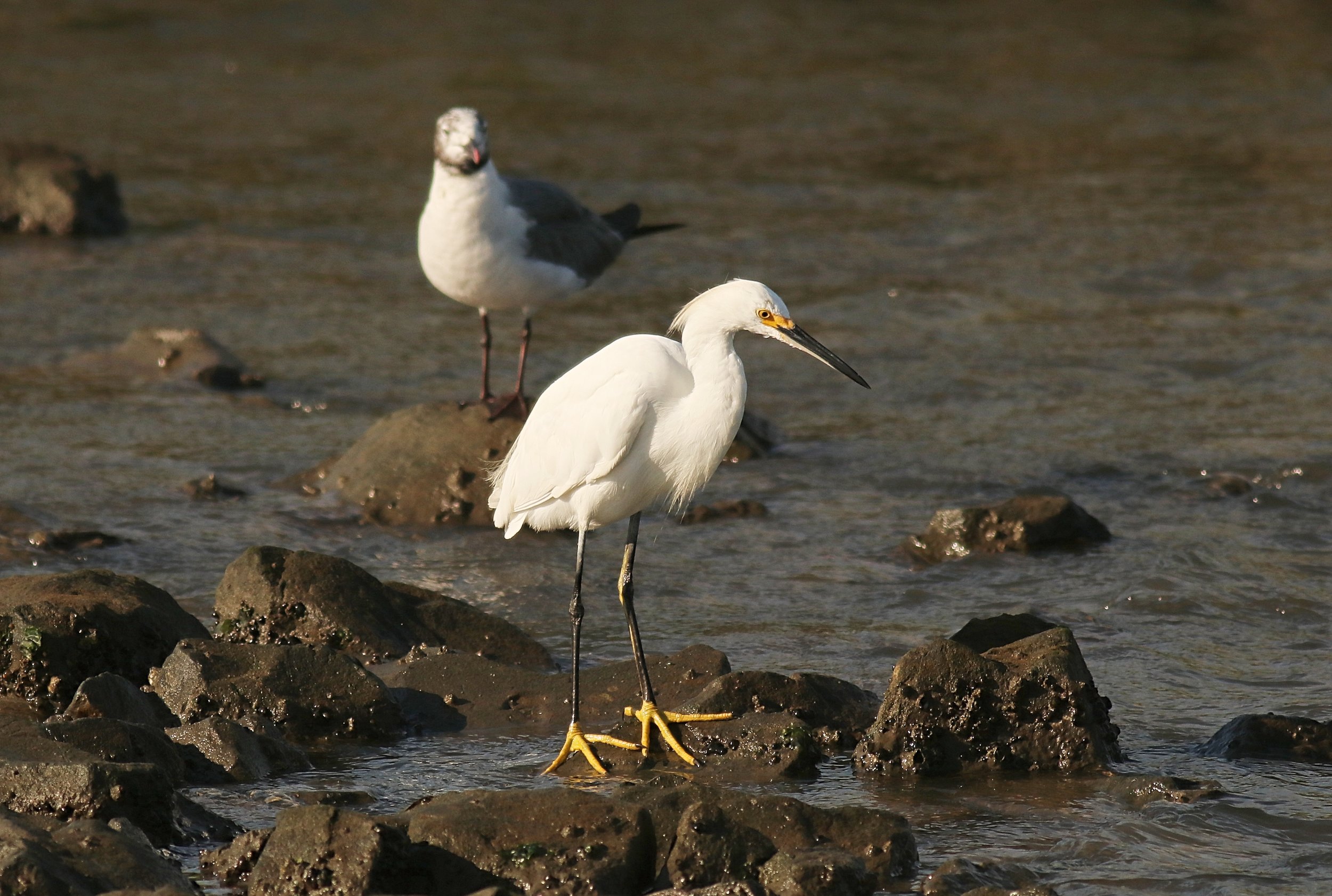
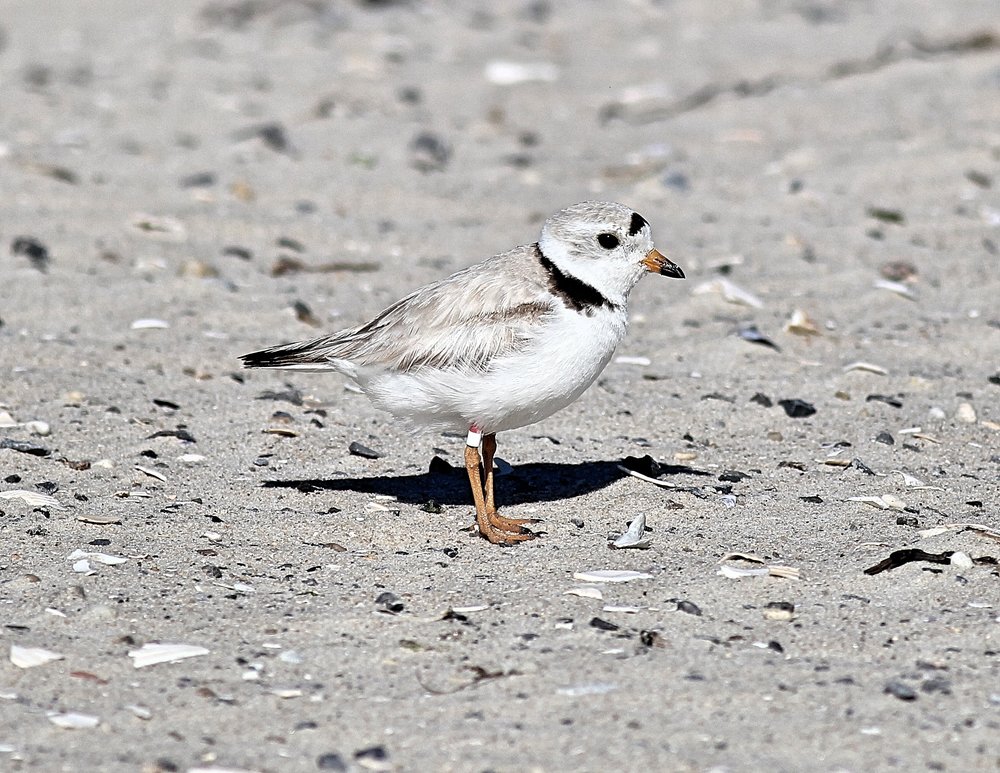
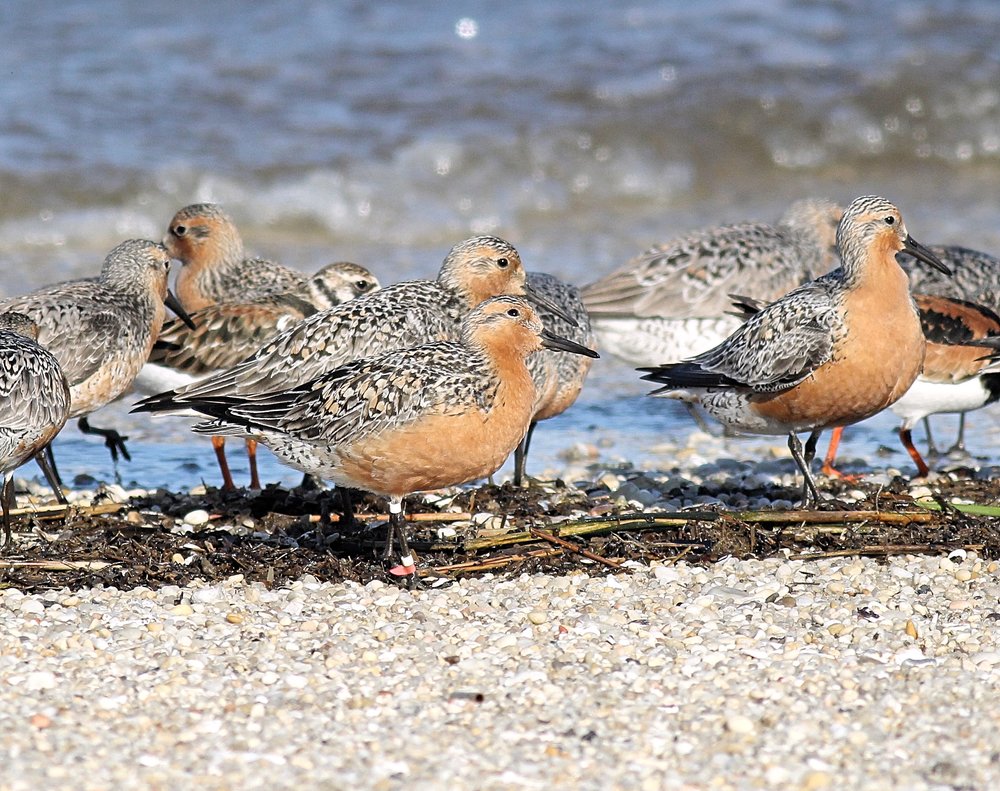
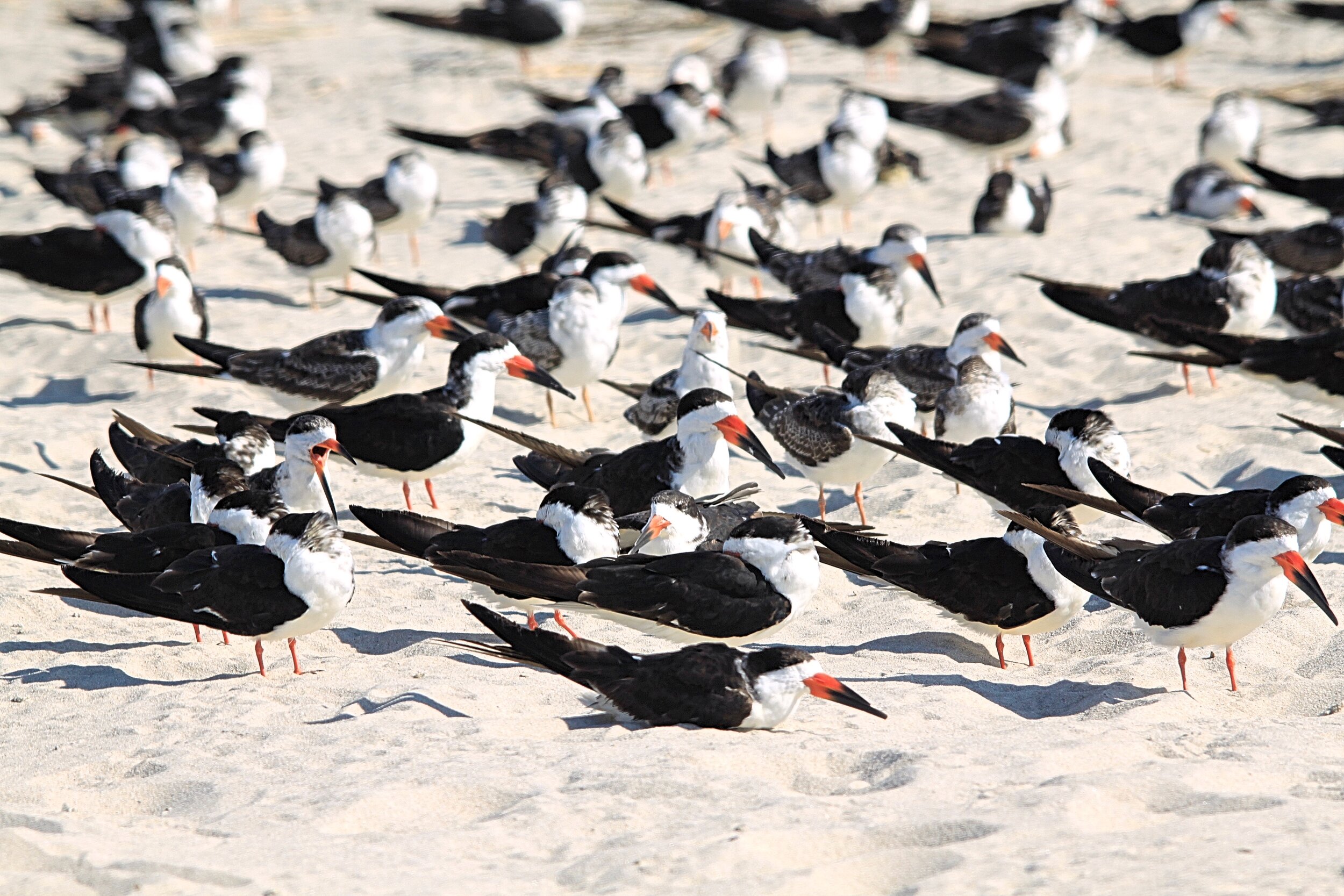
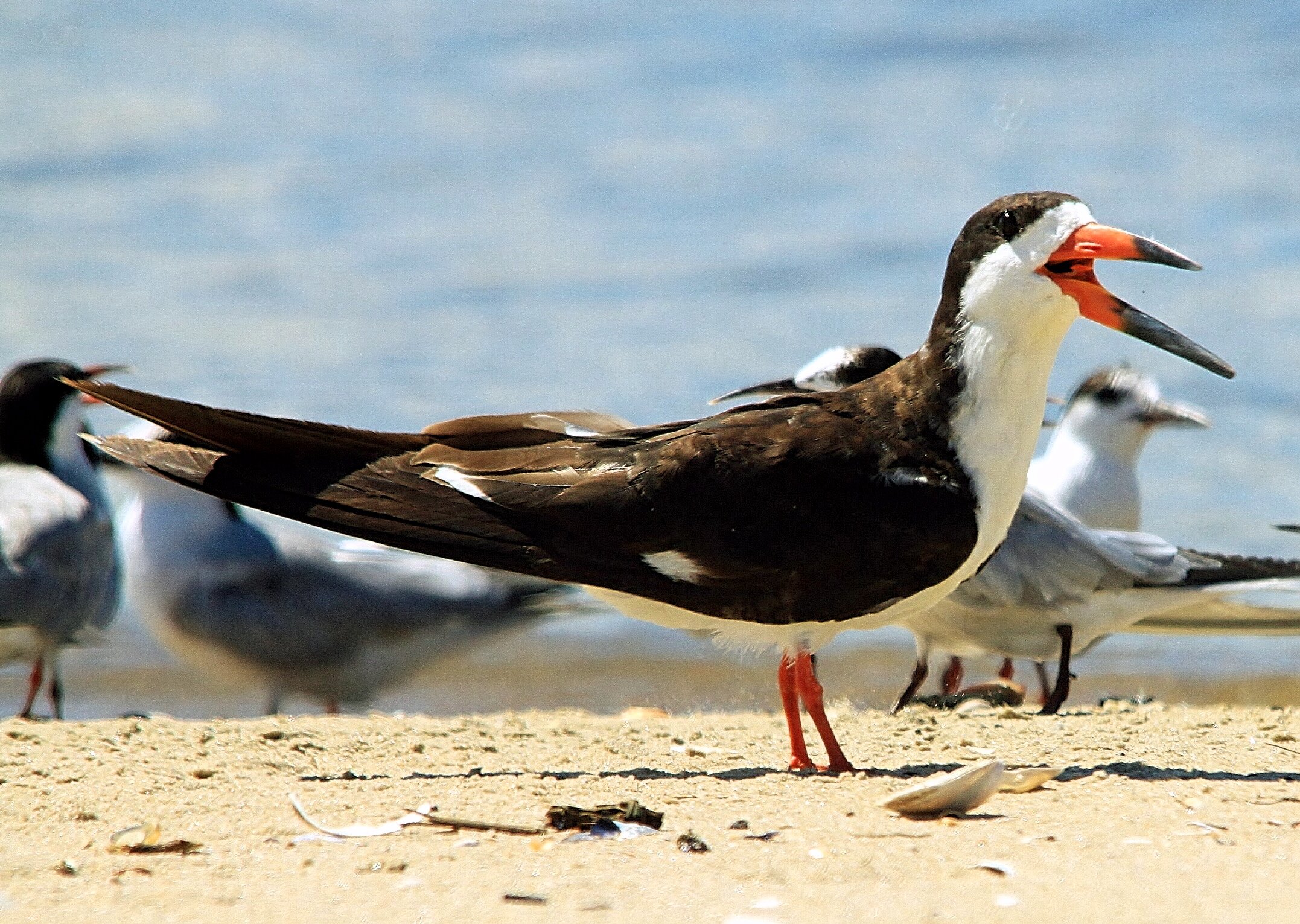
populations have declined in the past 50 years in the United States as they compete with people for food and space to rest and feed during migration. According to Cornell University, analyses of eBird Trends show steep declines for nearly all North American seabird species throughout their ranges between 2012 and 2022. New Jersey's coastal birds are facing declines due to factors like habitat loss from sea-level rise, reduced food availability from horseshoe crab population issues, and climate change impacts including Rufa Red Knots, Least Terns, Piping Plovers, and Black Skimmers.
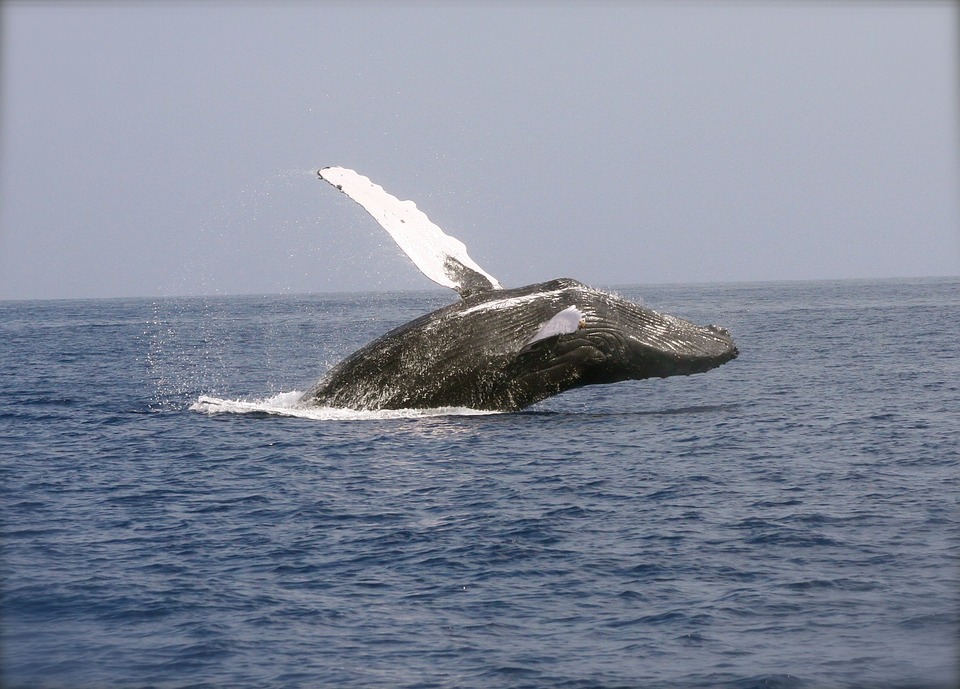
Over 150 mortalities of Humpback, Minke, and Northern Right whale species
have occurred in the New York-New Jersey Bight since 2017 with many showing evidence of human interaction, either ship strikes, plastic ingestion, or entanglement in commercial fishing gear.
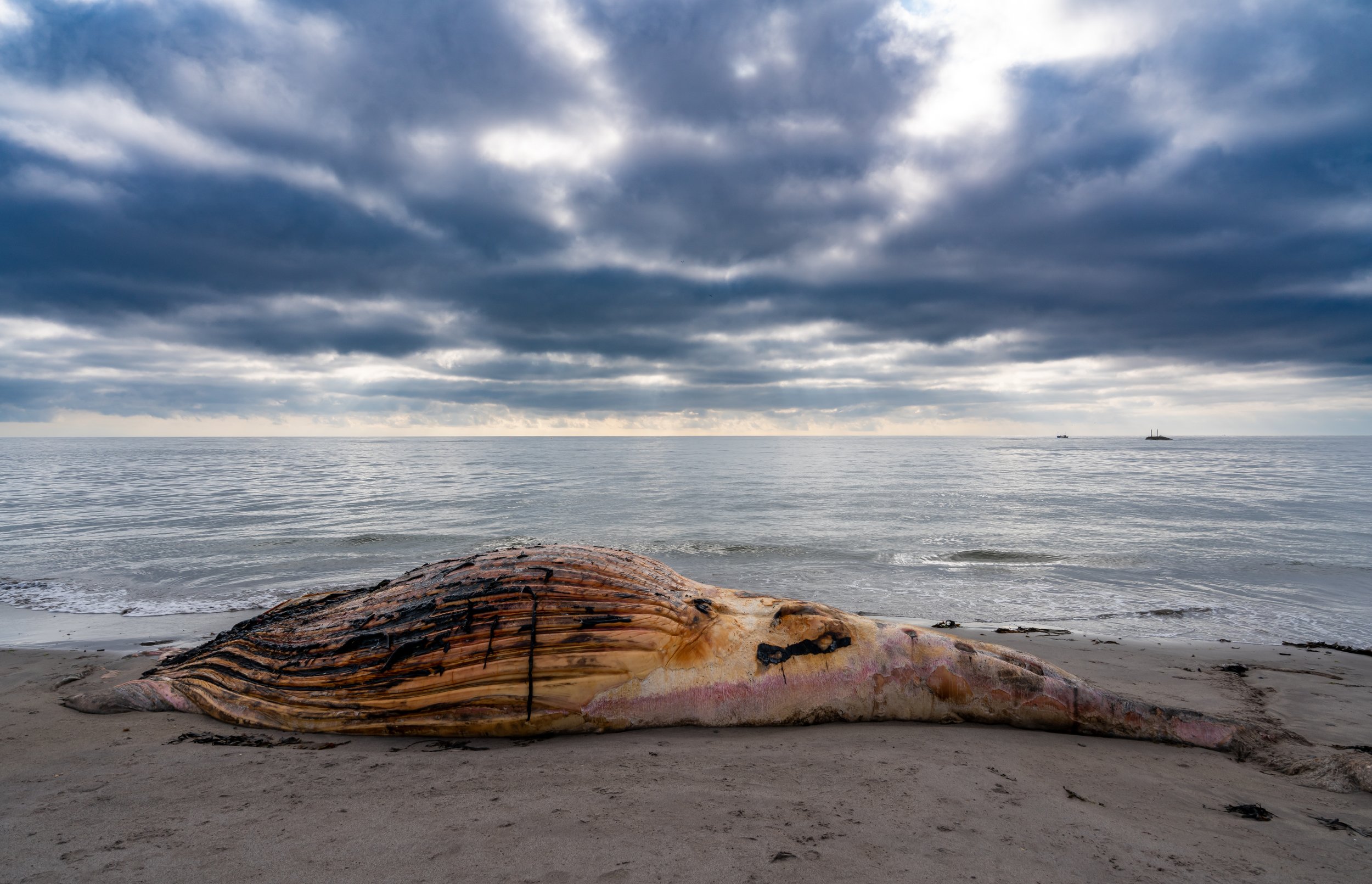
The carcass of a juvenile humpback whale. Cause of death undetermined, but likely hit by a ship in the Atlantic Ocean.
More Insights About Coastal Wildlife








“The more clearly we can focus our attention on the wonders and realities of the universe about us, the less taste we shall have for destruction.”
~ Quote from Rachel Carson, Silent Spring (1962).

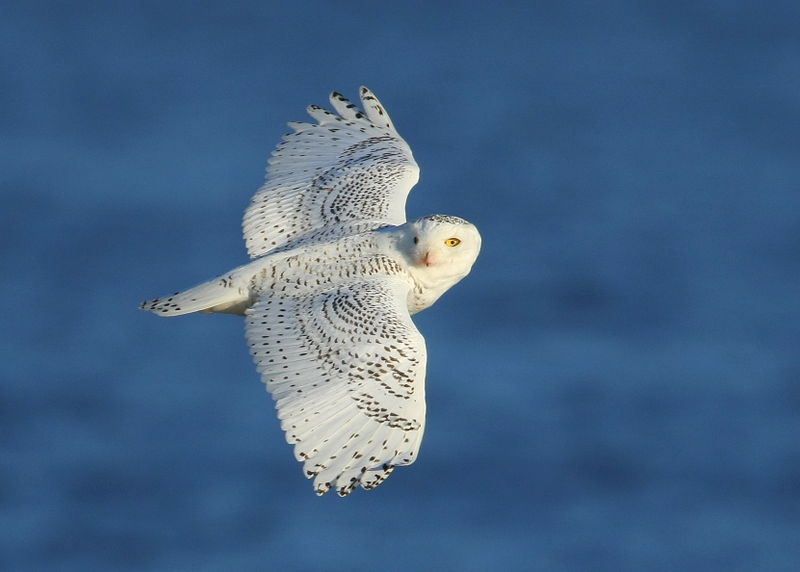





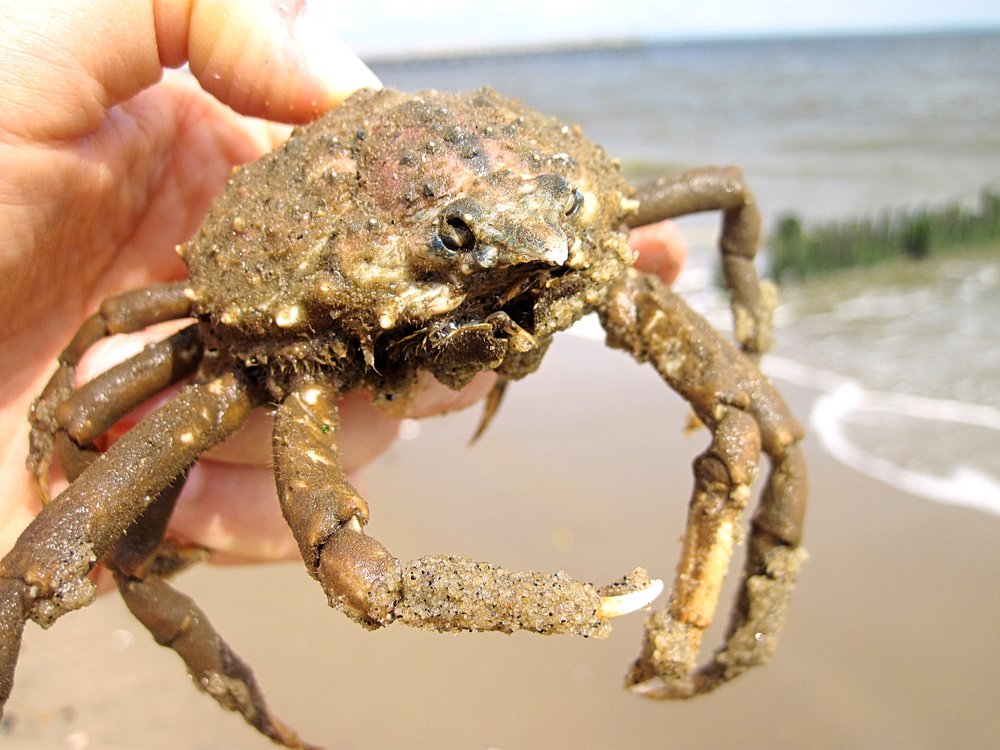
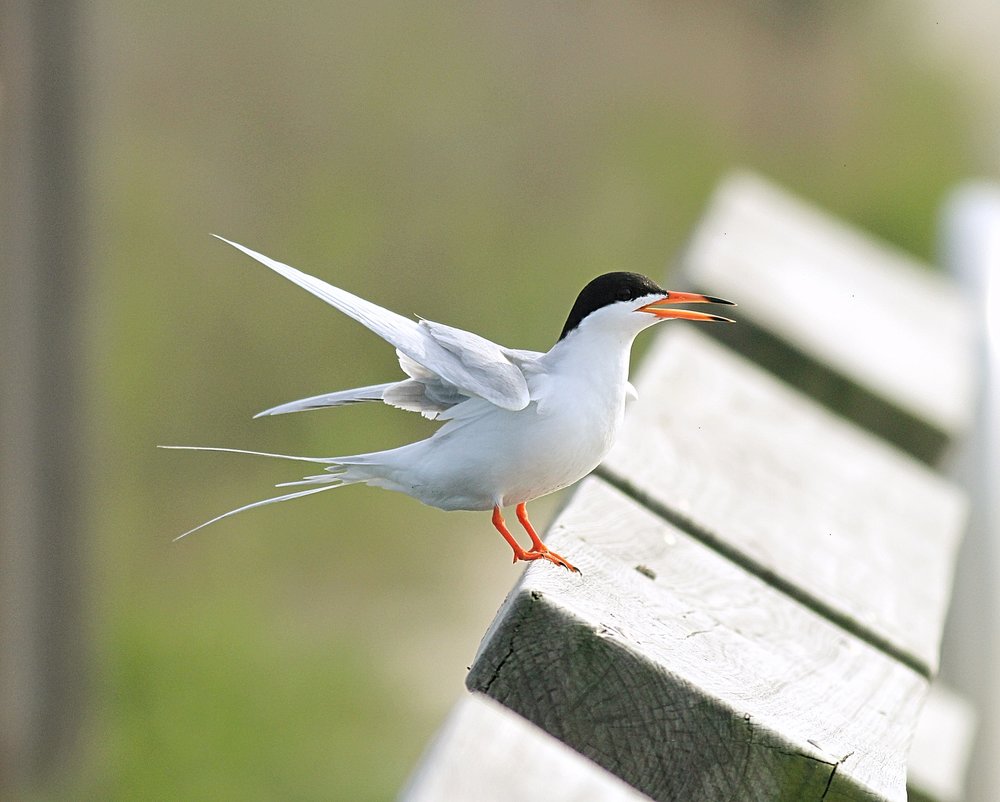

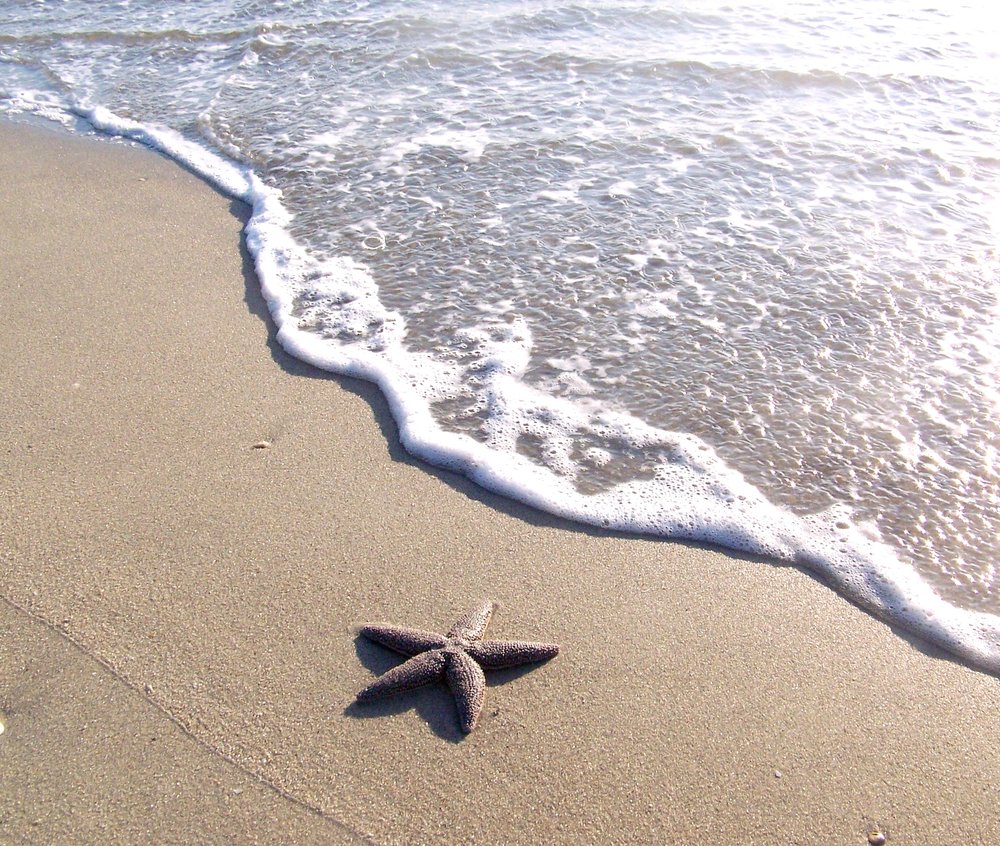

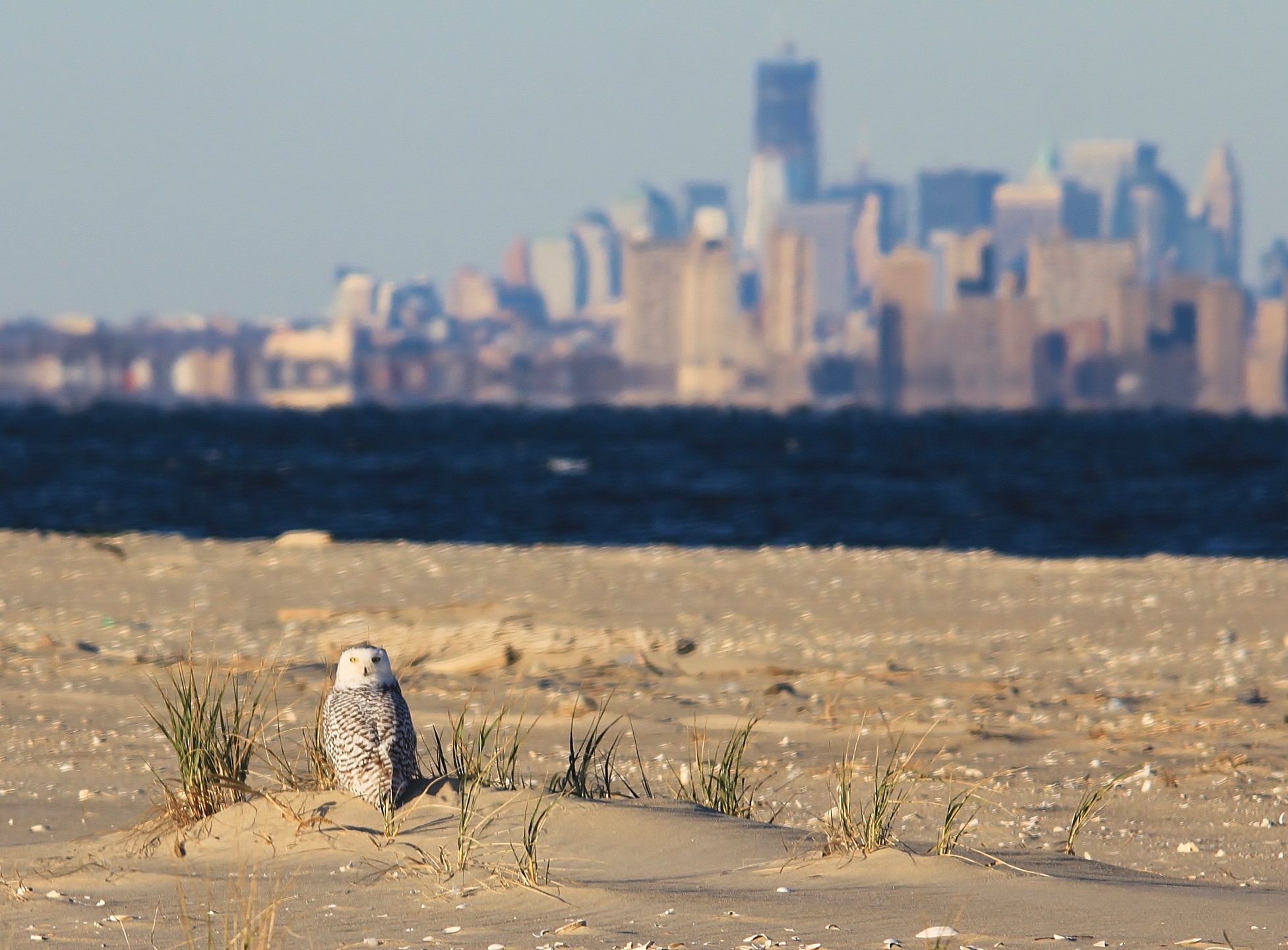



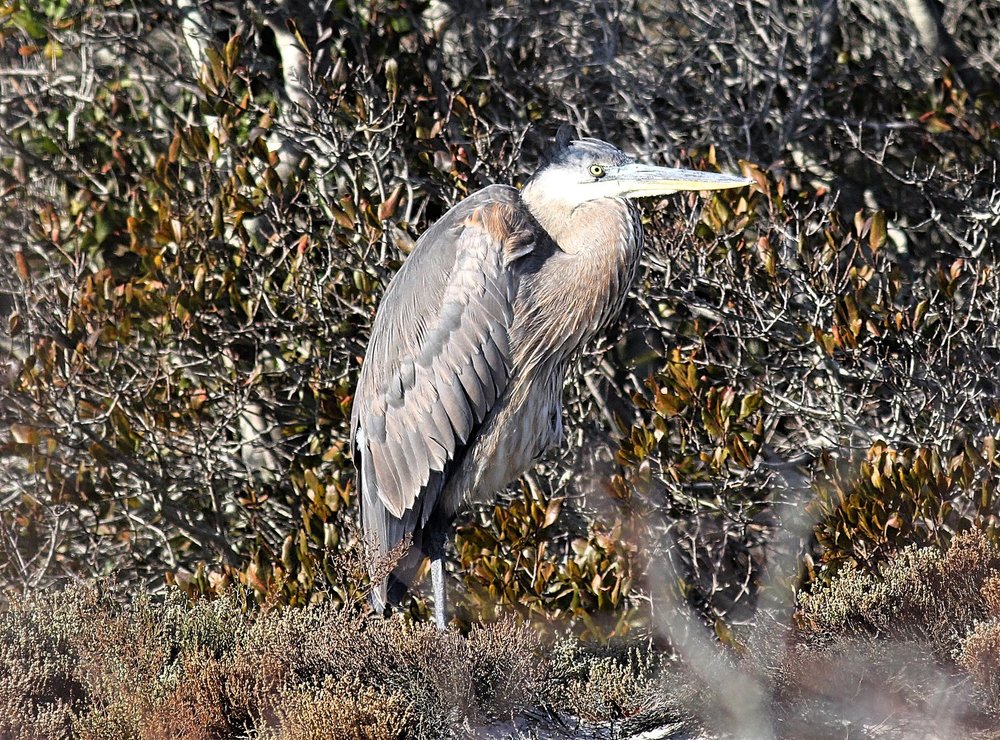

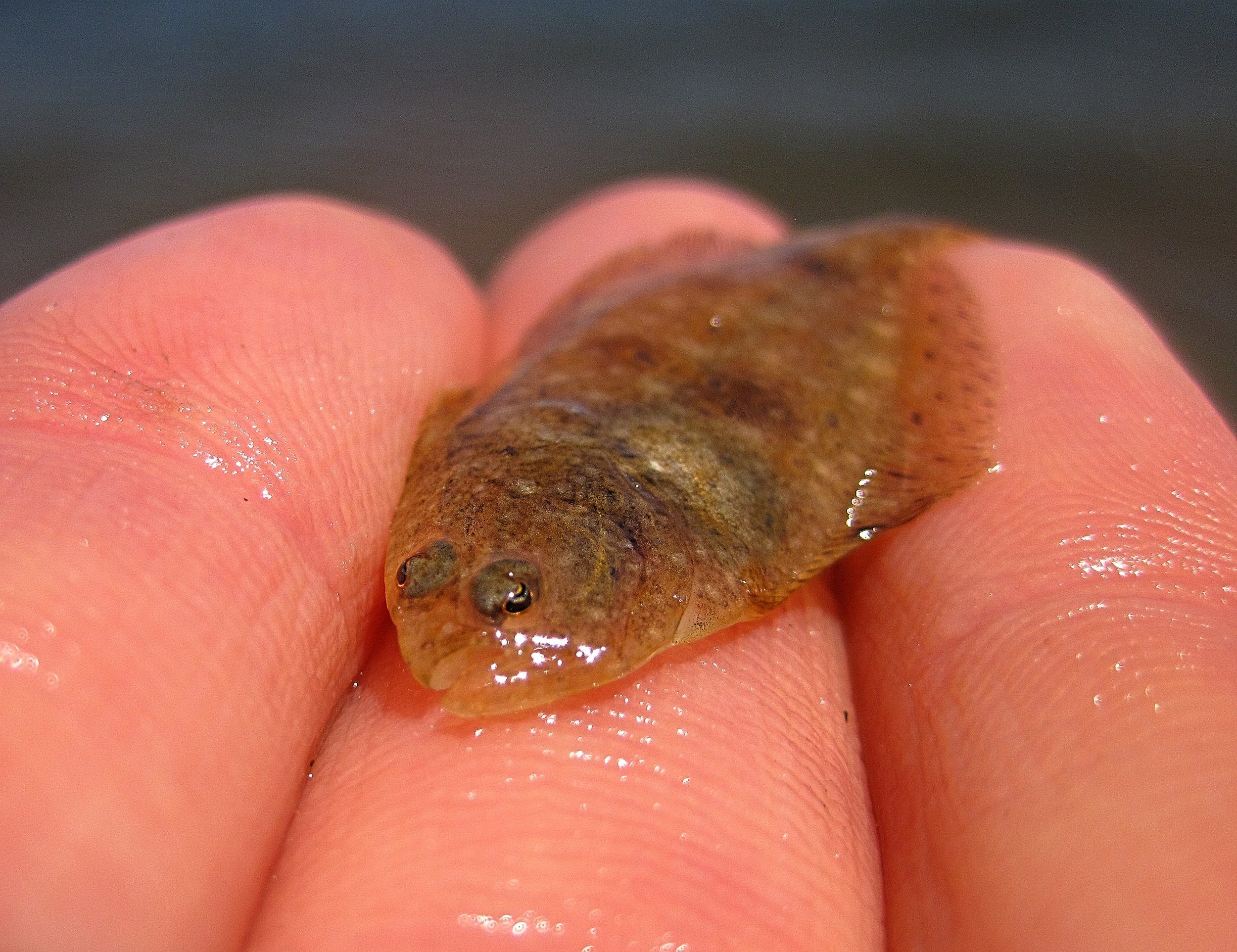
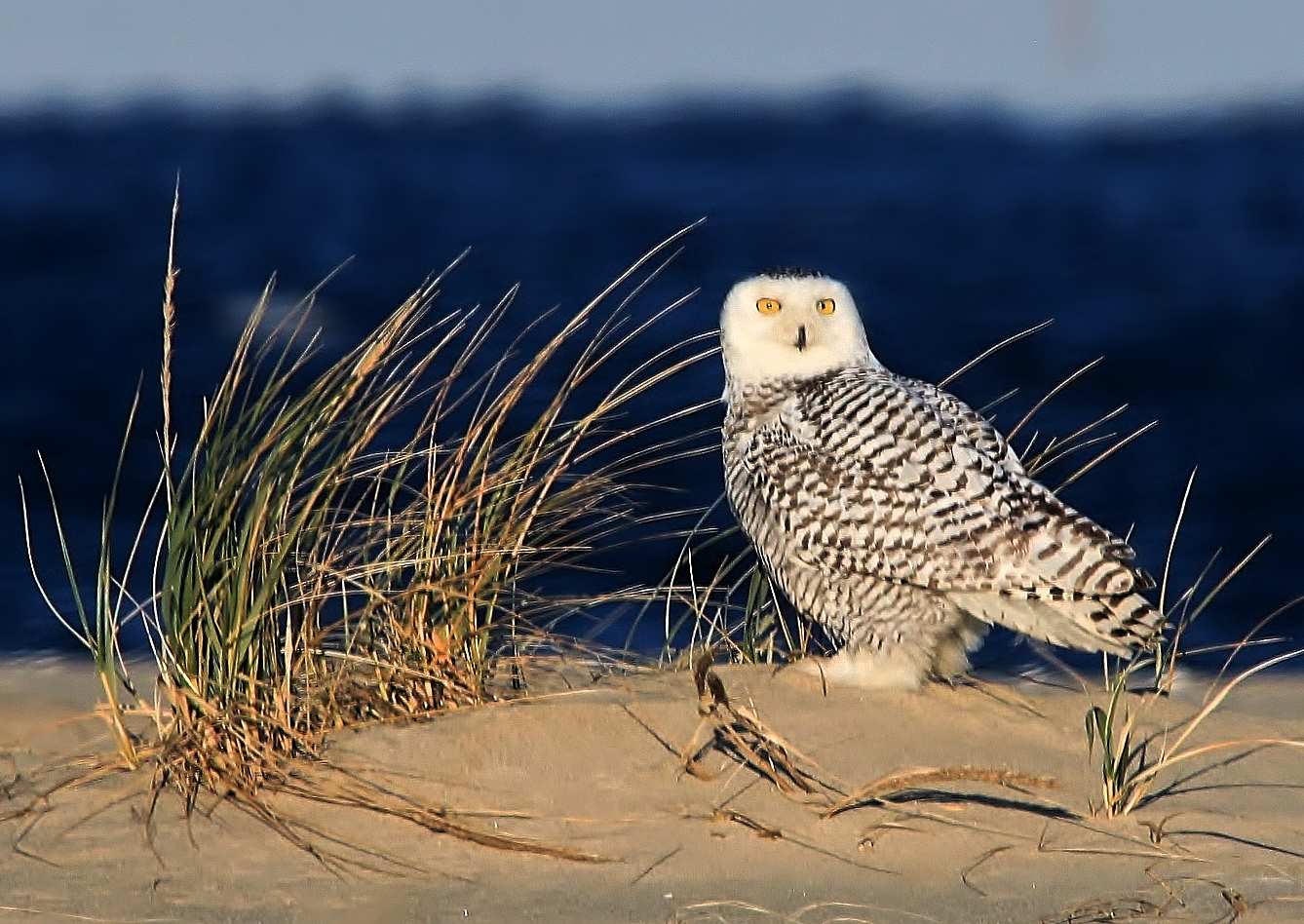
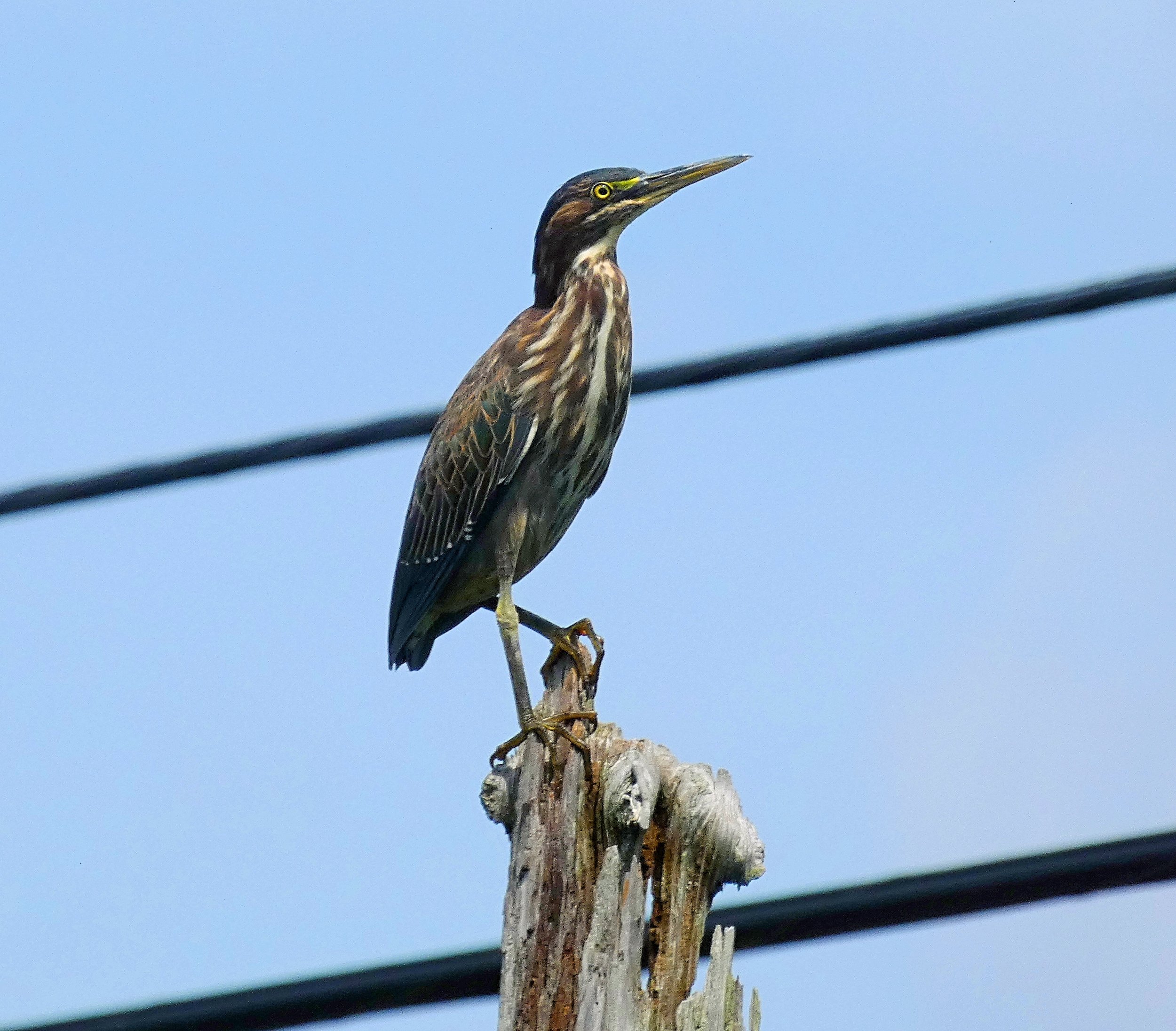
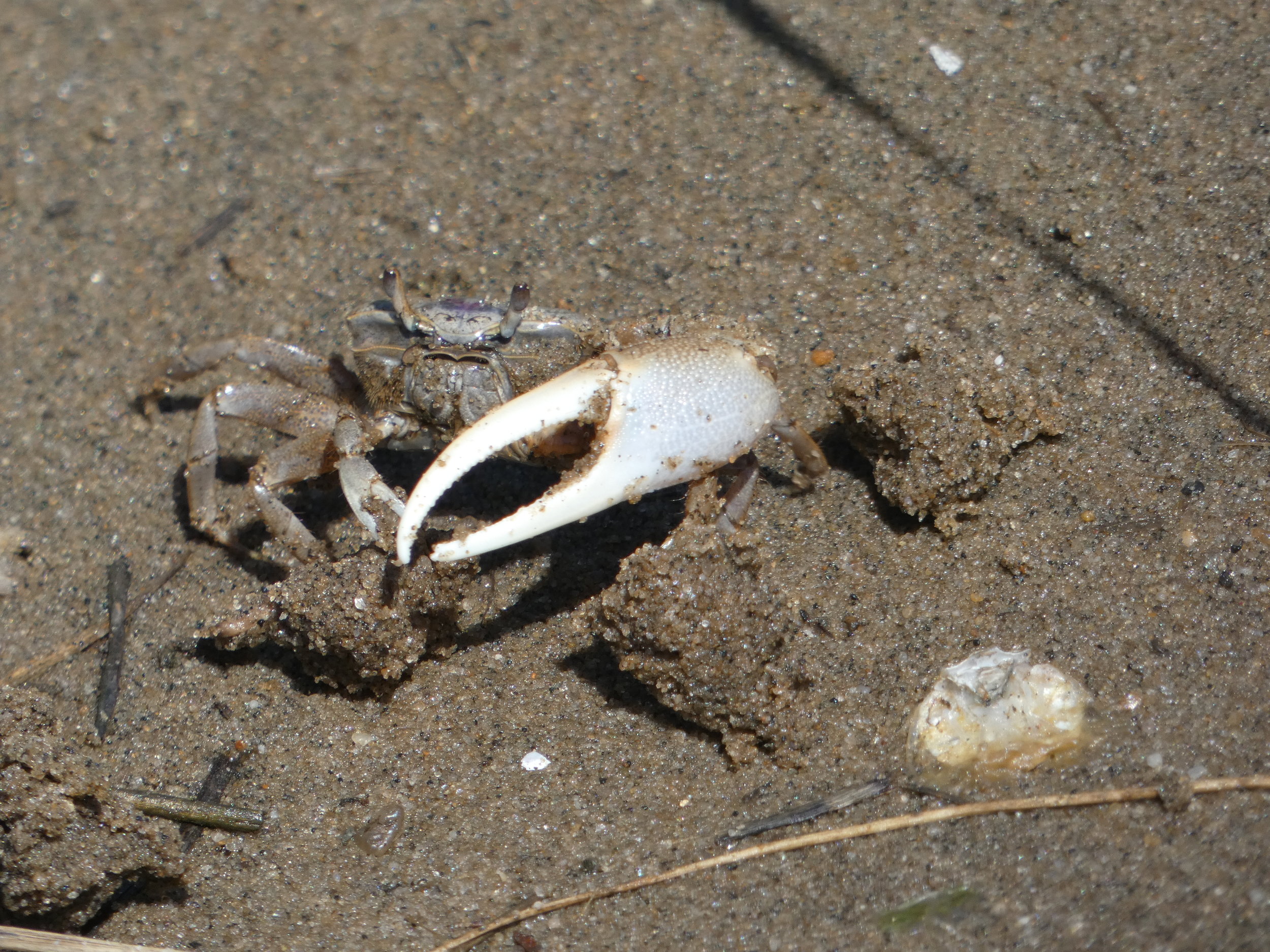




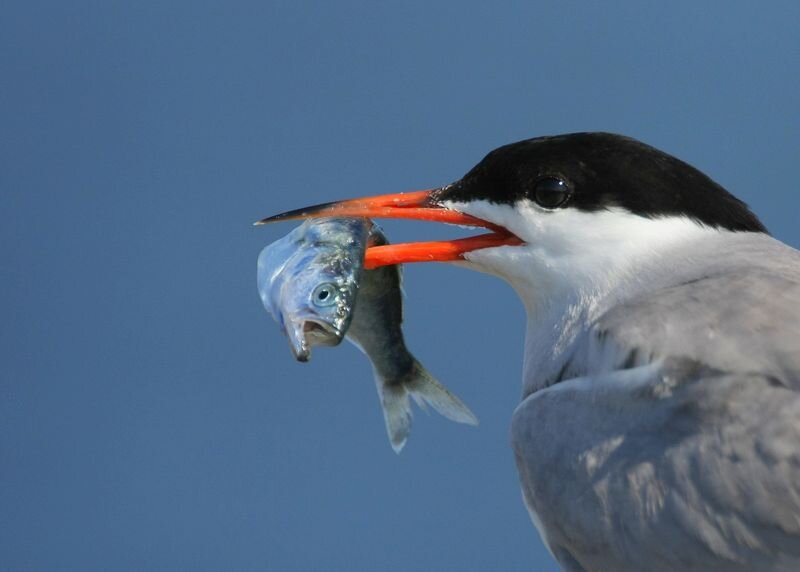
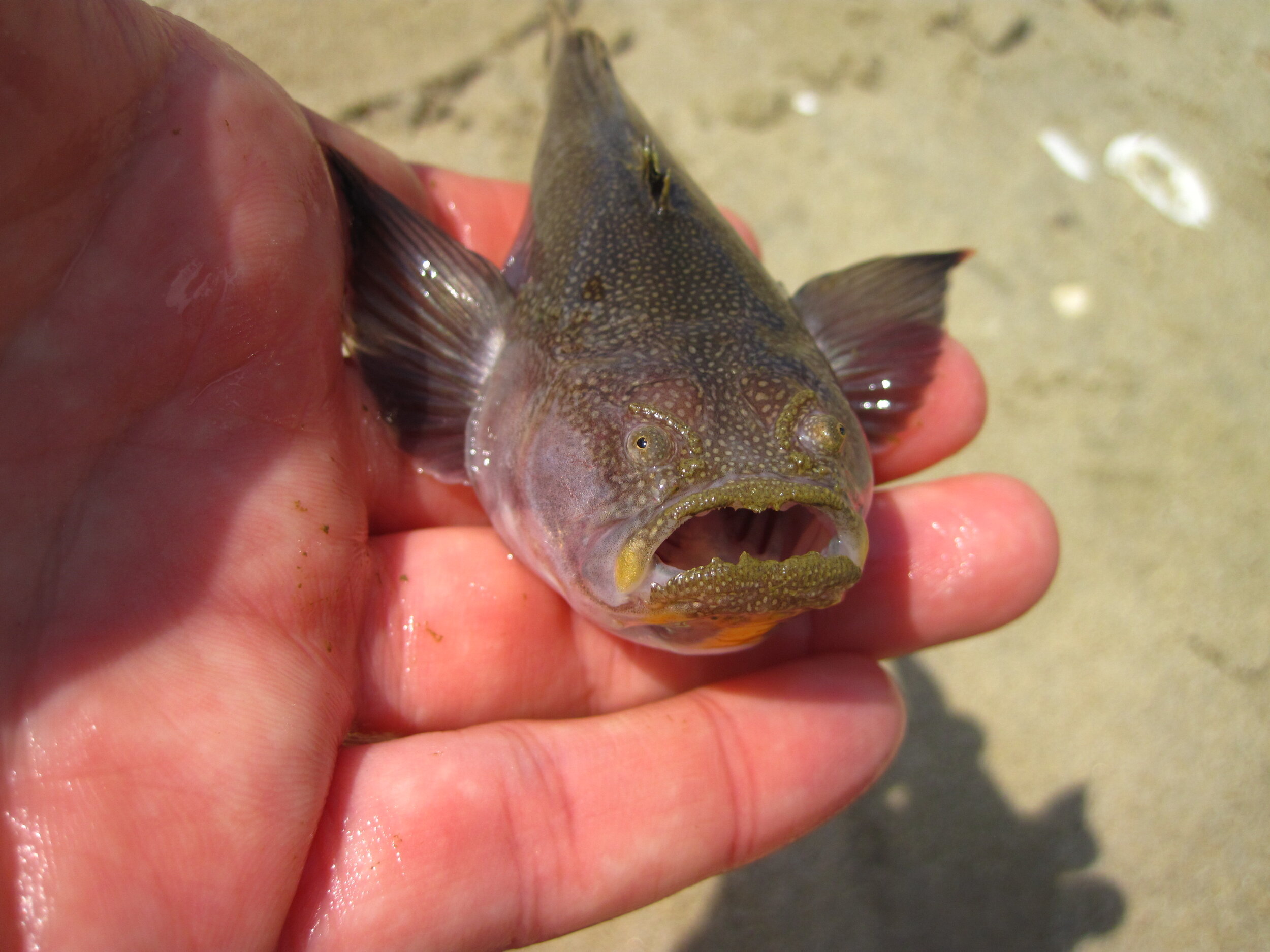
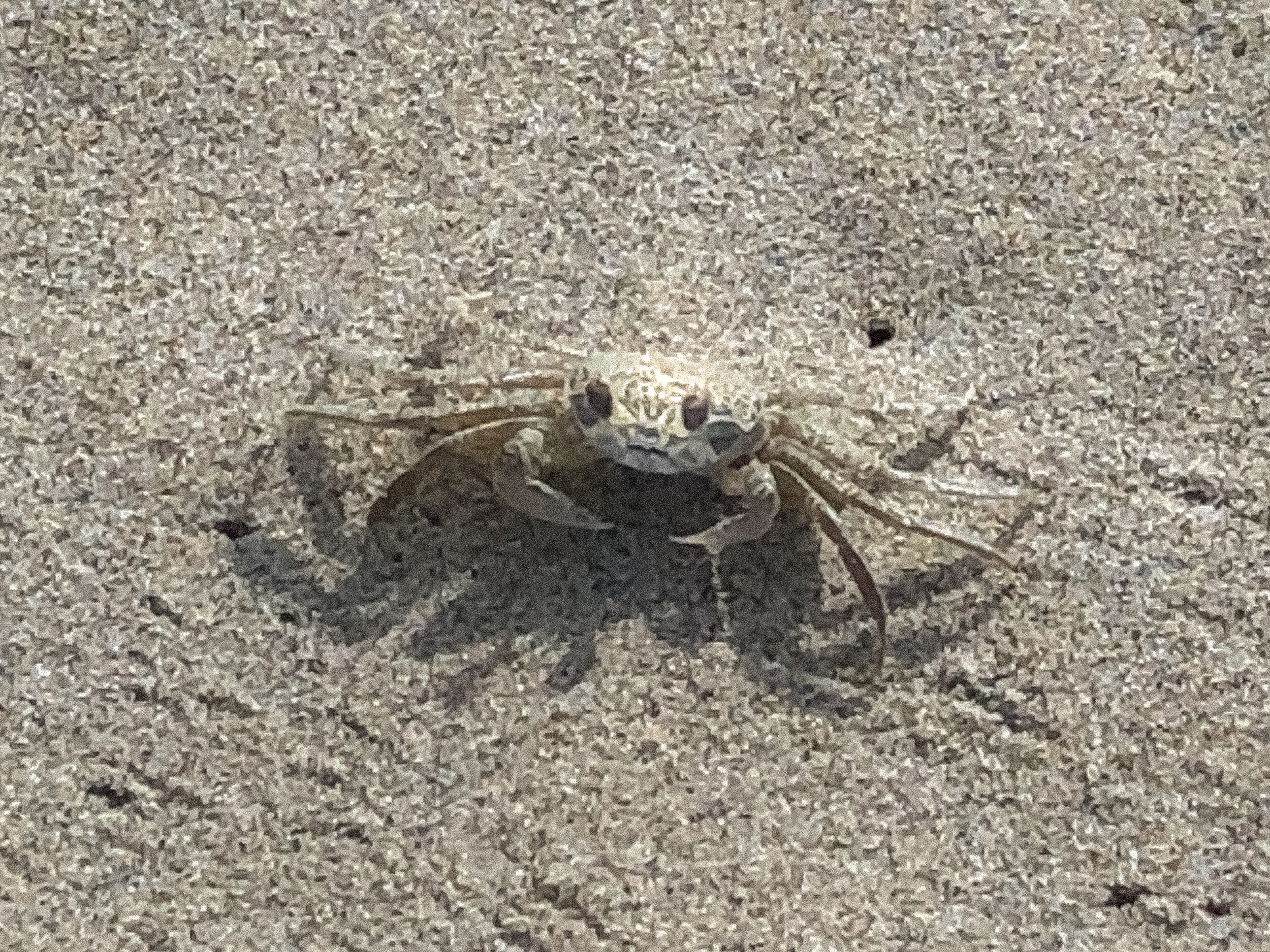
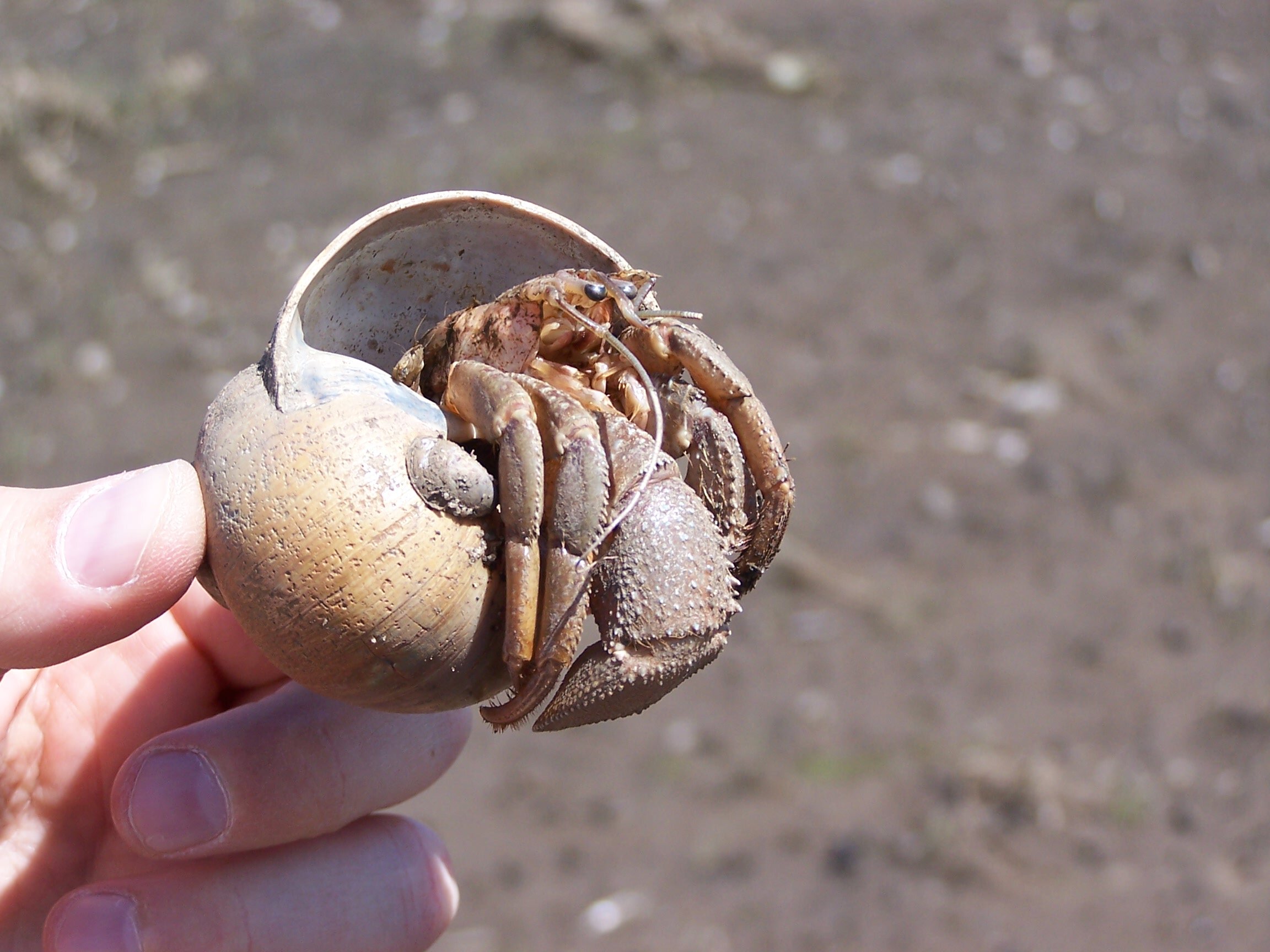
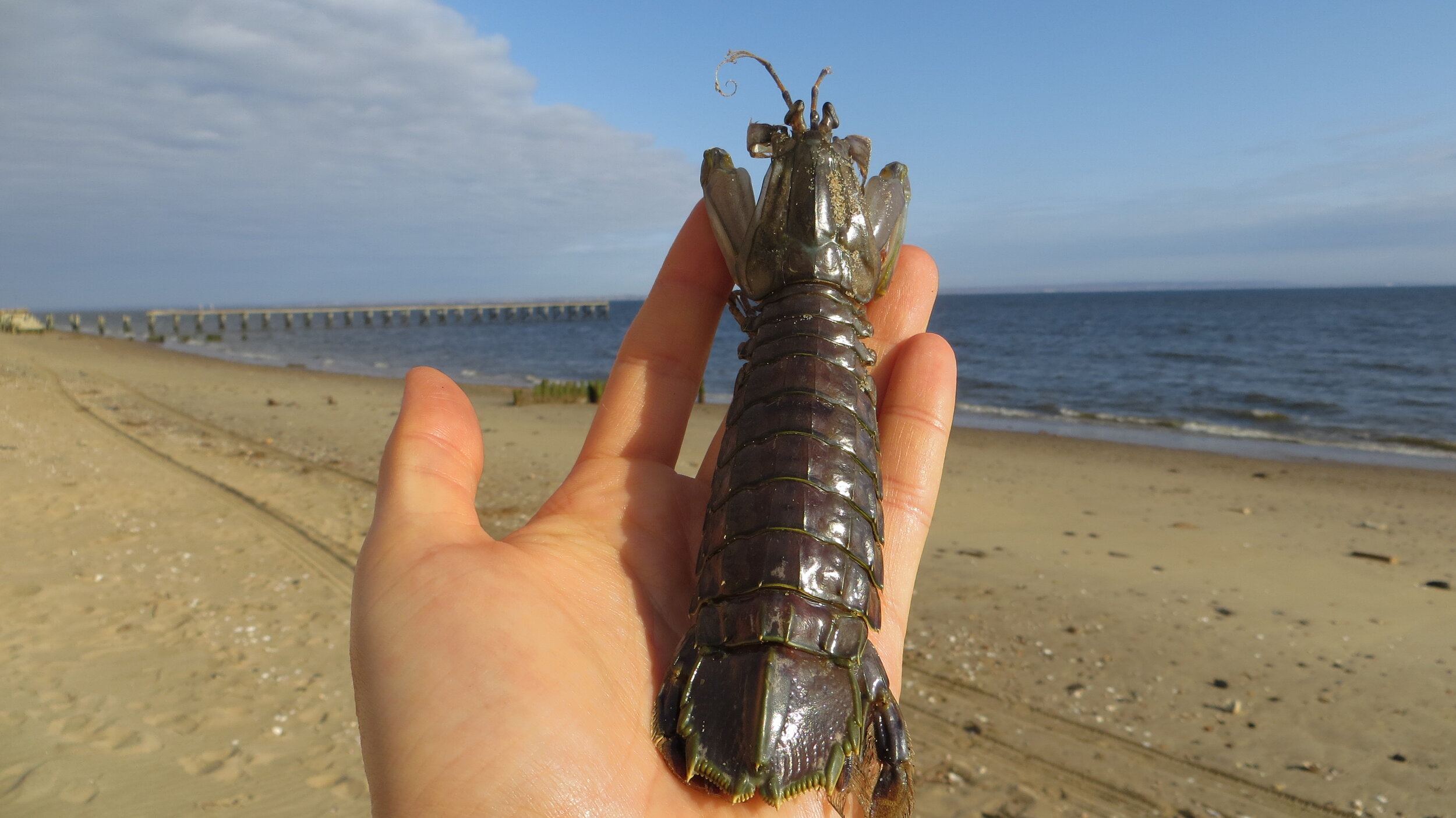
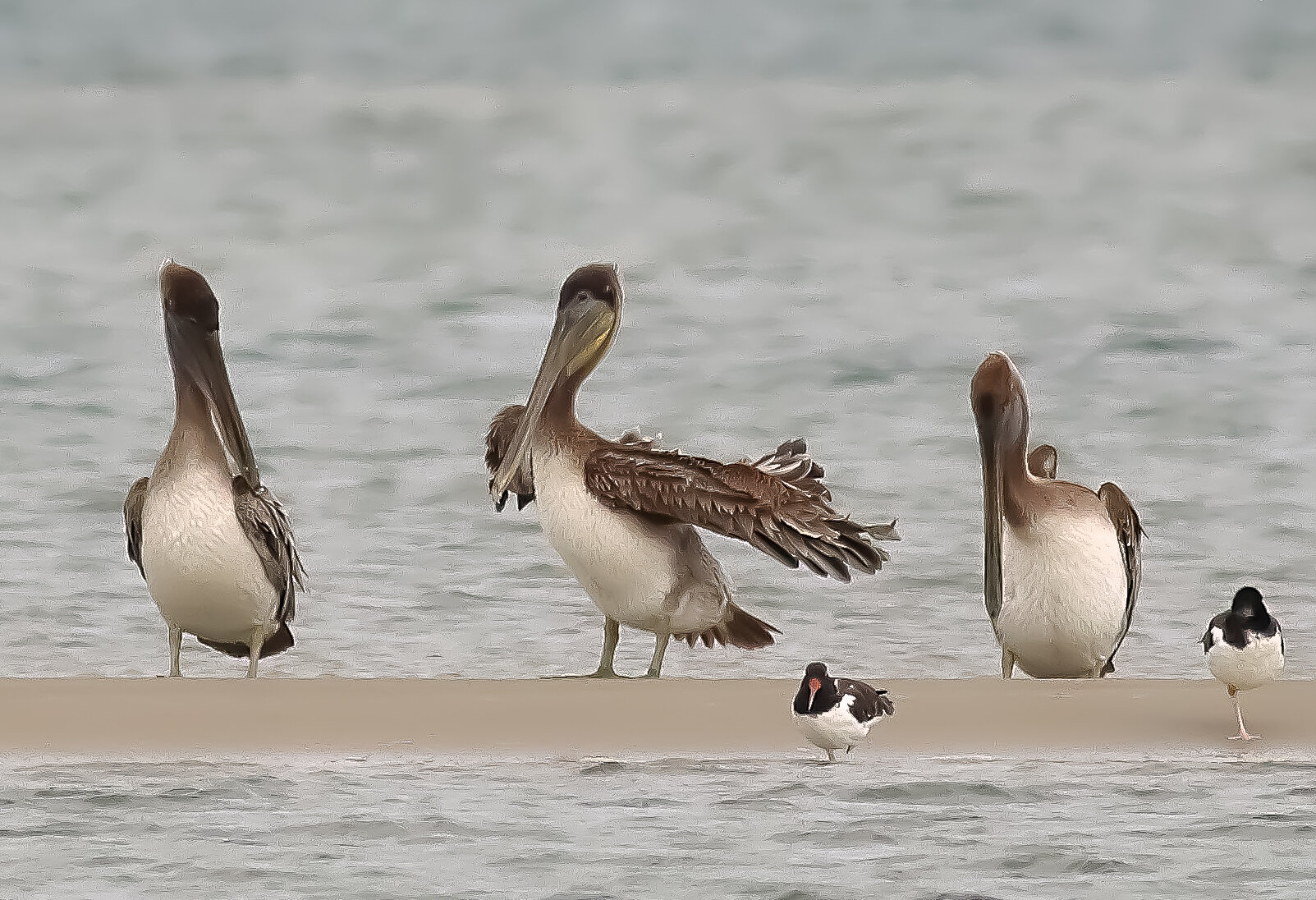
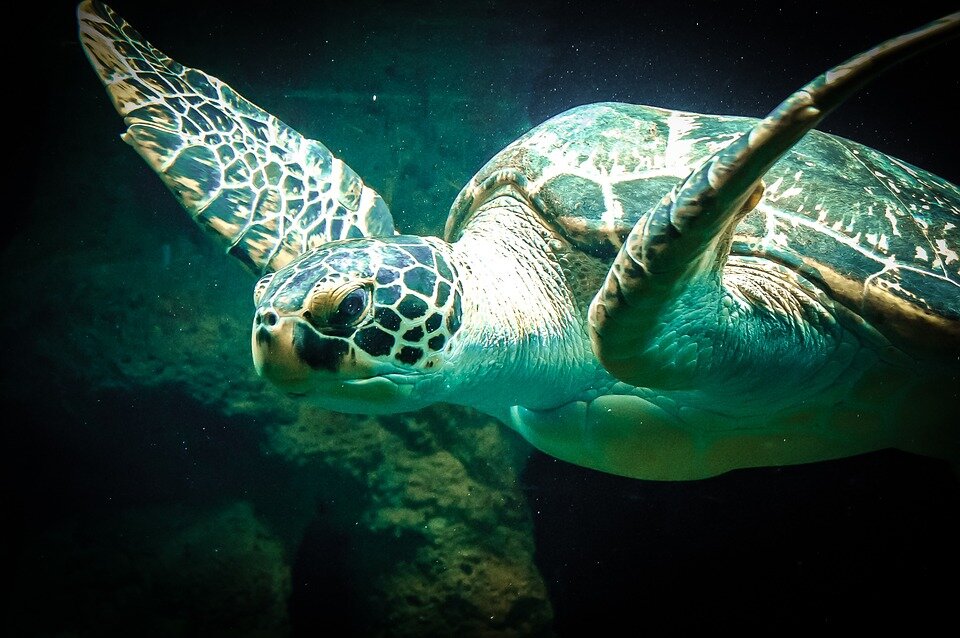
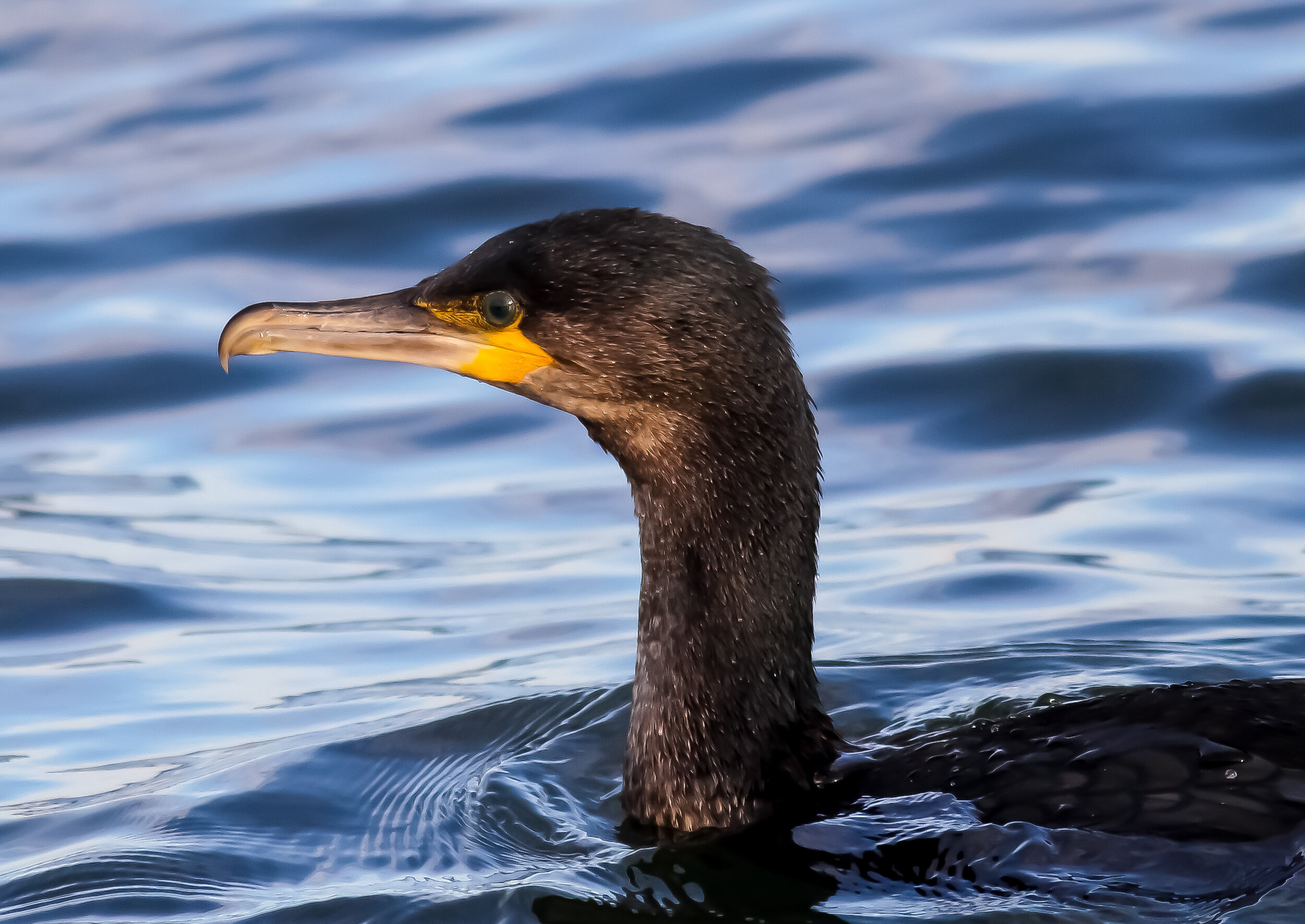

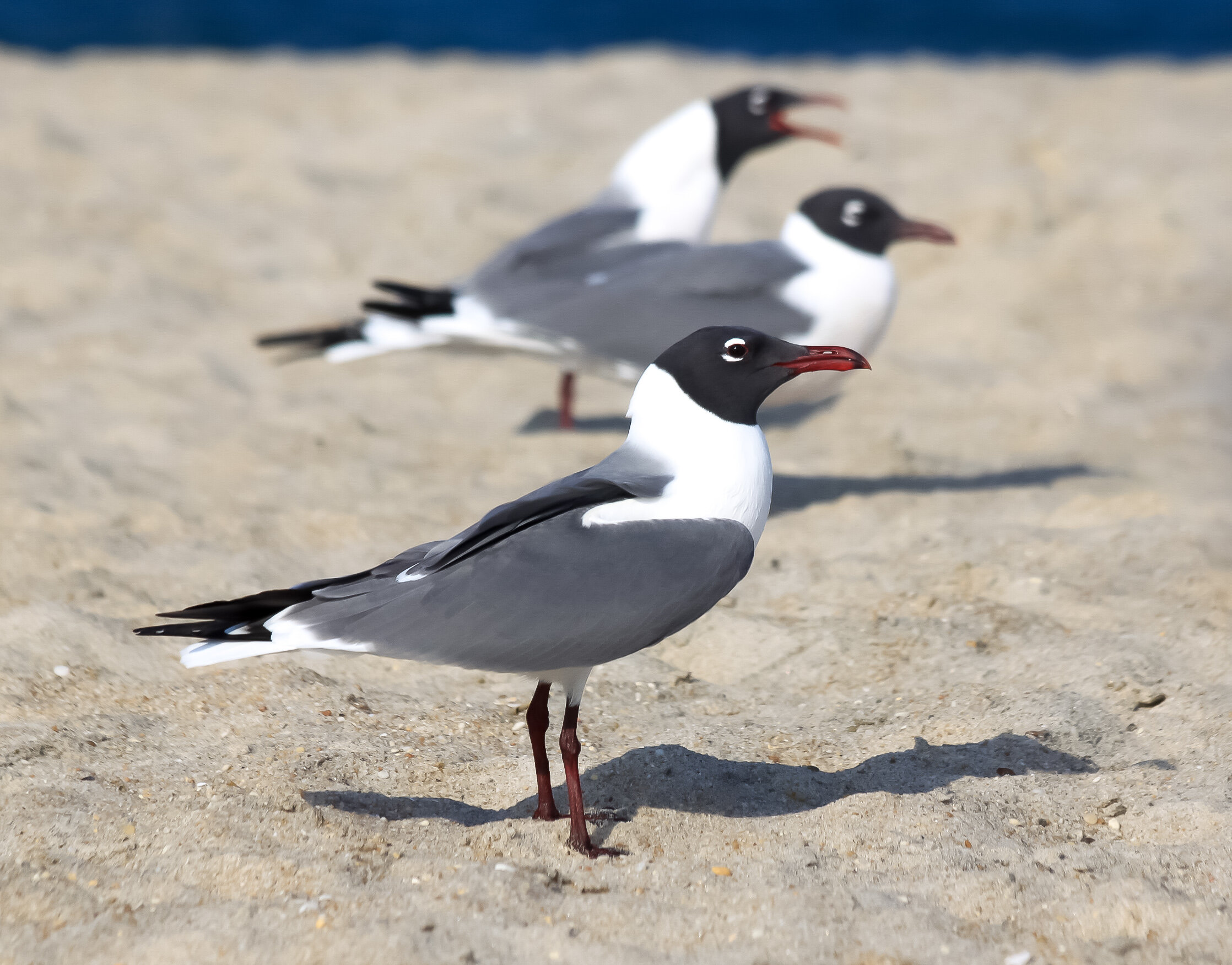
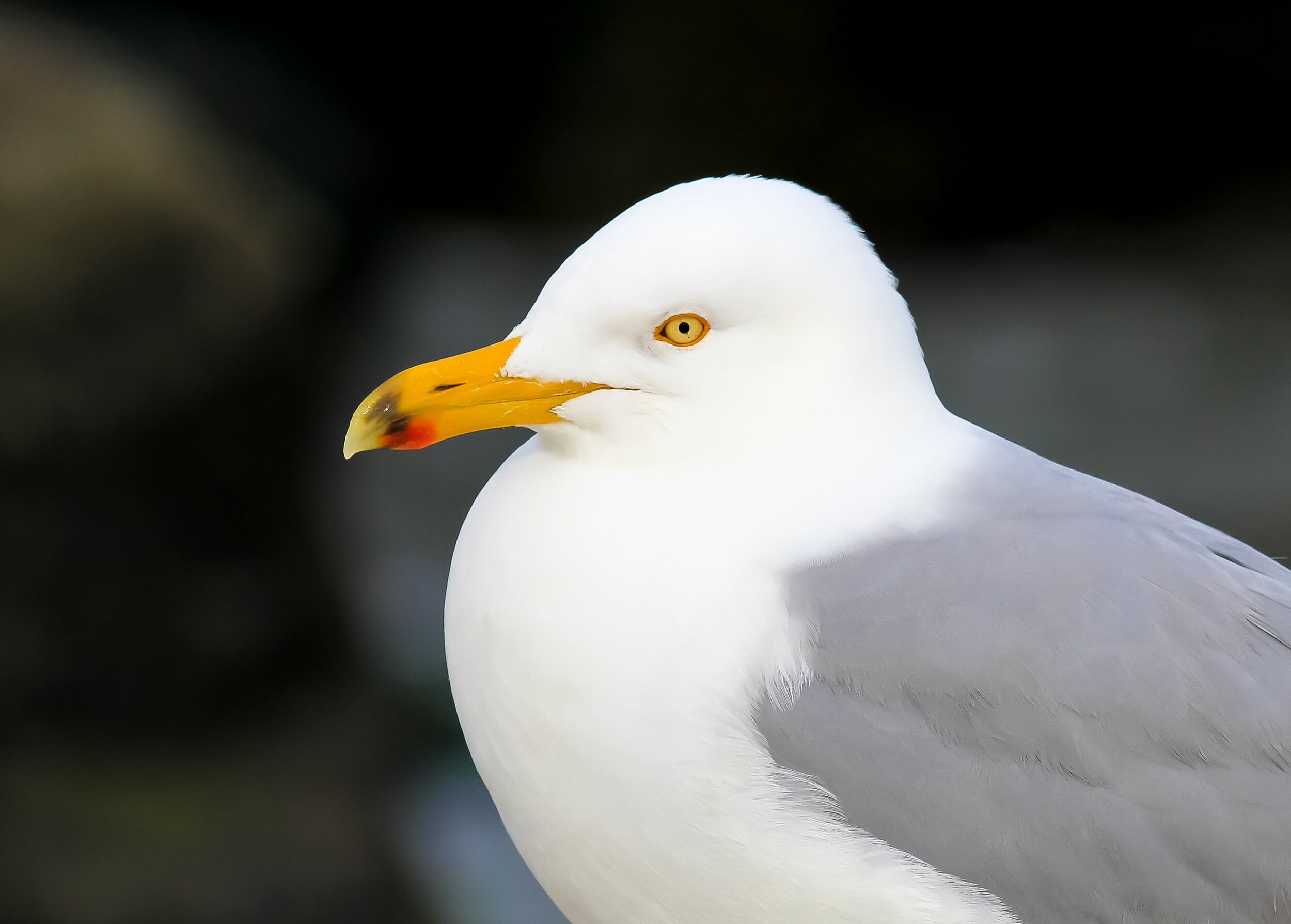
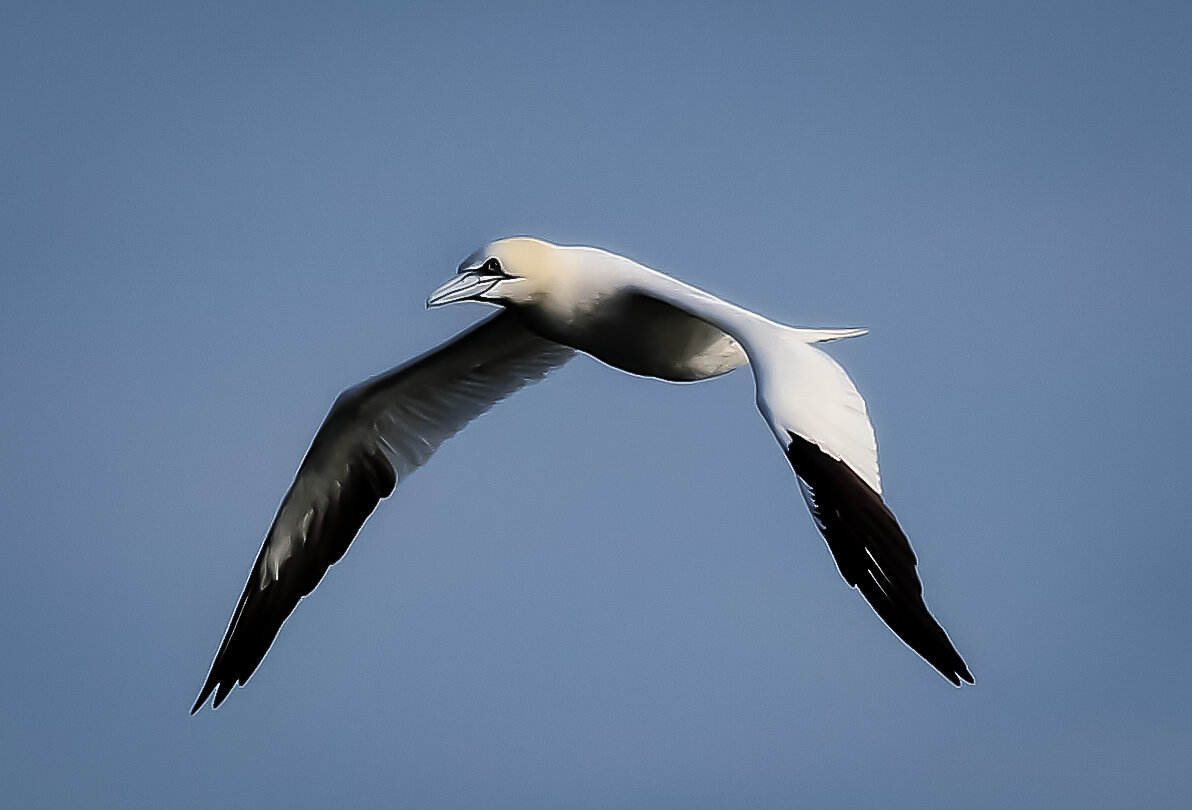
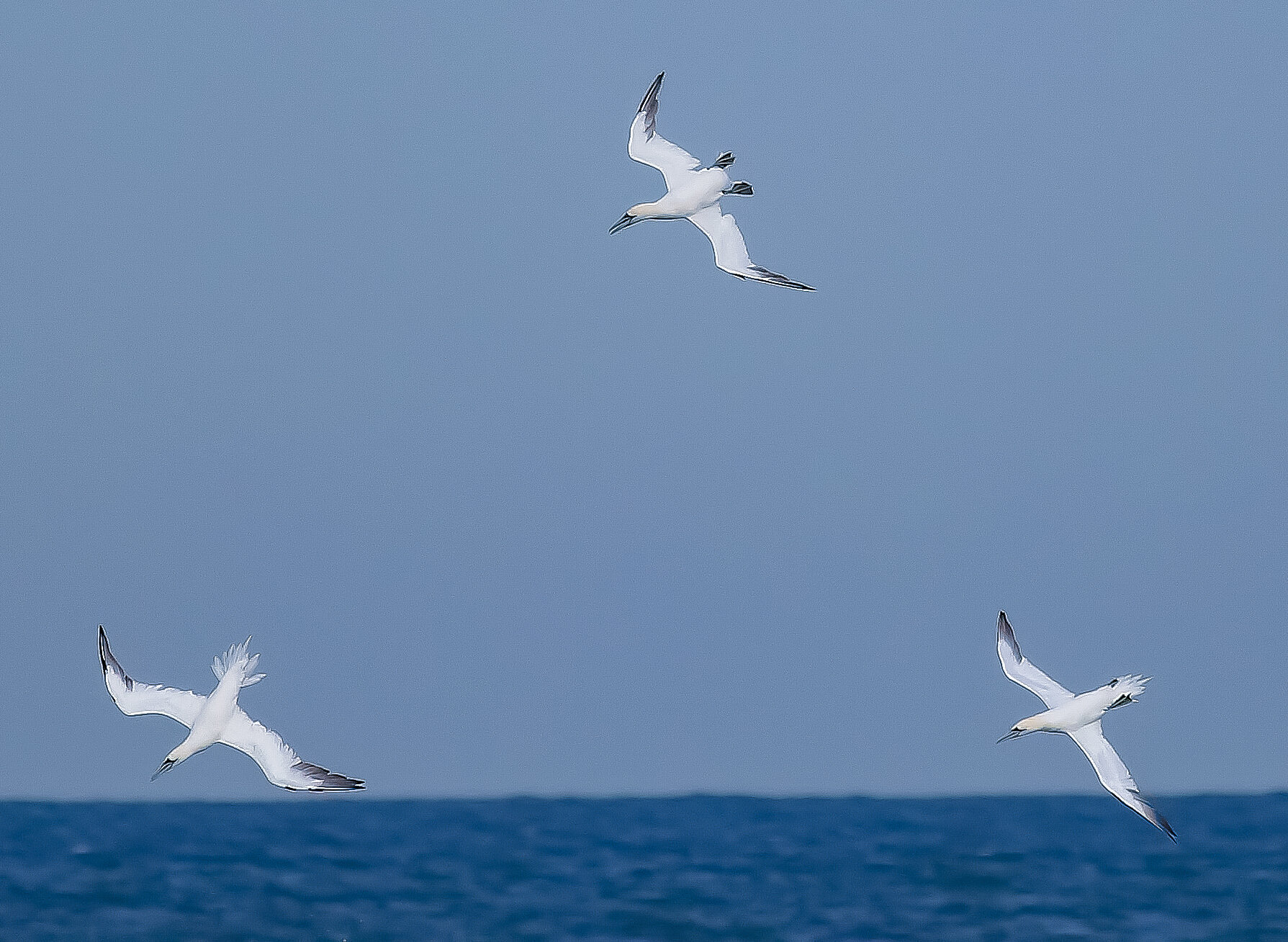



Ghost crabs are mysterious and unusual sand crabs. They are not always easy to see by a causal beach walker. The crabs are renowned as one of the fastest land crabs, capable of reaching speeds up to 10mph, earning them the nickname "swift-footed" (Ocypode) for their rapid scurrying on sandy beaches to escape predators like gulls, owls and herons. A remarkable activity I think for an animal that walks sideways.